
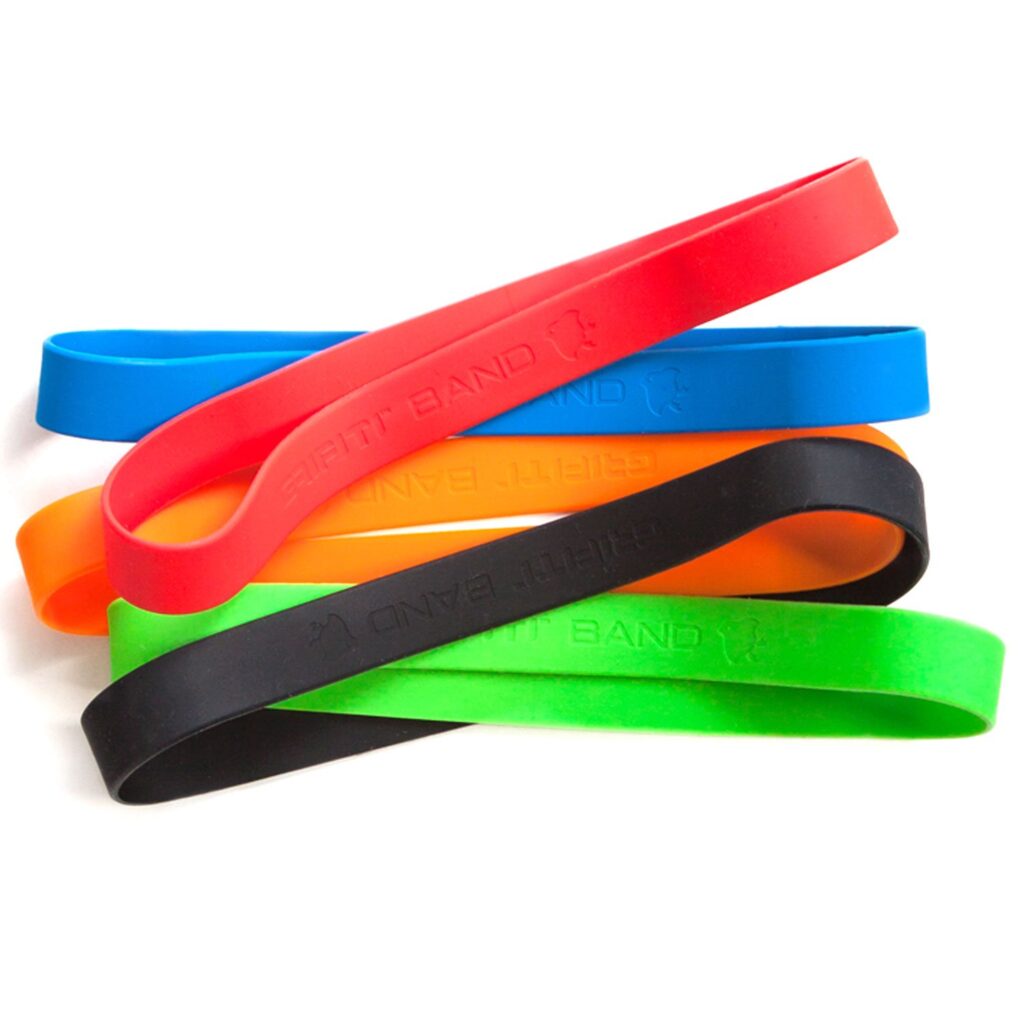
Silicone Rubber: Industrial Performance and Transformation Processes
Silicone Rubber is a high-performance elastomer obtained from the polymerization of silicone, carbon, hydrogen, and oxygen. It is available on the market in multiple formulations that vary in hardness, flexibility, and resistance, depending on its intended use. This material stands out for its exceptional chemical stability and its ability to maintain physical and mechanical properties in environments with extreme temperatures — from cryogenic levels to over 250°C — without suffering degradation or deformation.
Due to these unique characteristics, Silicone Rubber has become a key material in engineering and industrial manufacturing. It offers durability, flexibility, and resistance to weathering, ozone, and ultraviolet light, making it suitable for both indoor and outdoor applications where long-term reliability is essential.
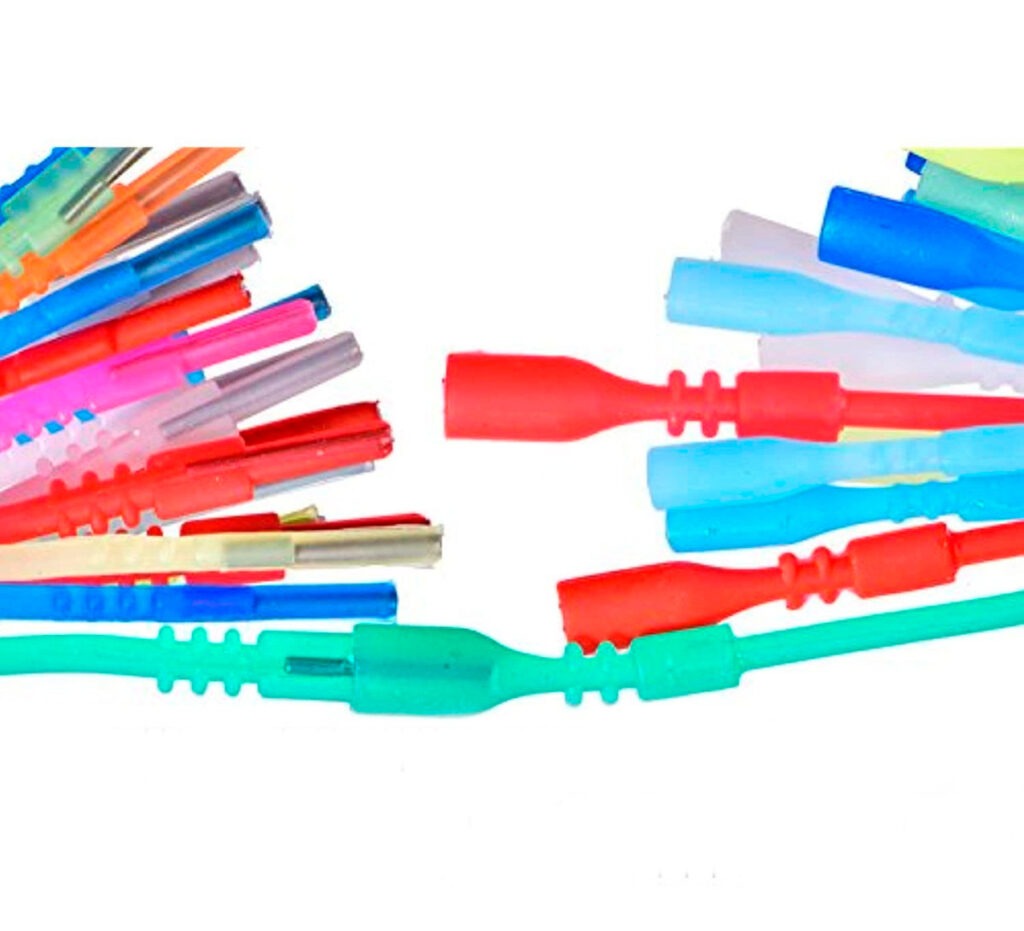
At Sumiparts SAS, we specialize in the transformation and manufacturing of silicone-based components through advanced Vulcanizing and Extrusion processes. Our production capabilities allow us to design and fabricate a wide range of customized pieces that meet the highest quality standards and performance expectations.
Quality Control and Technical Support in Silicone Rubber Manufacturing
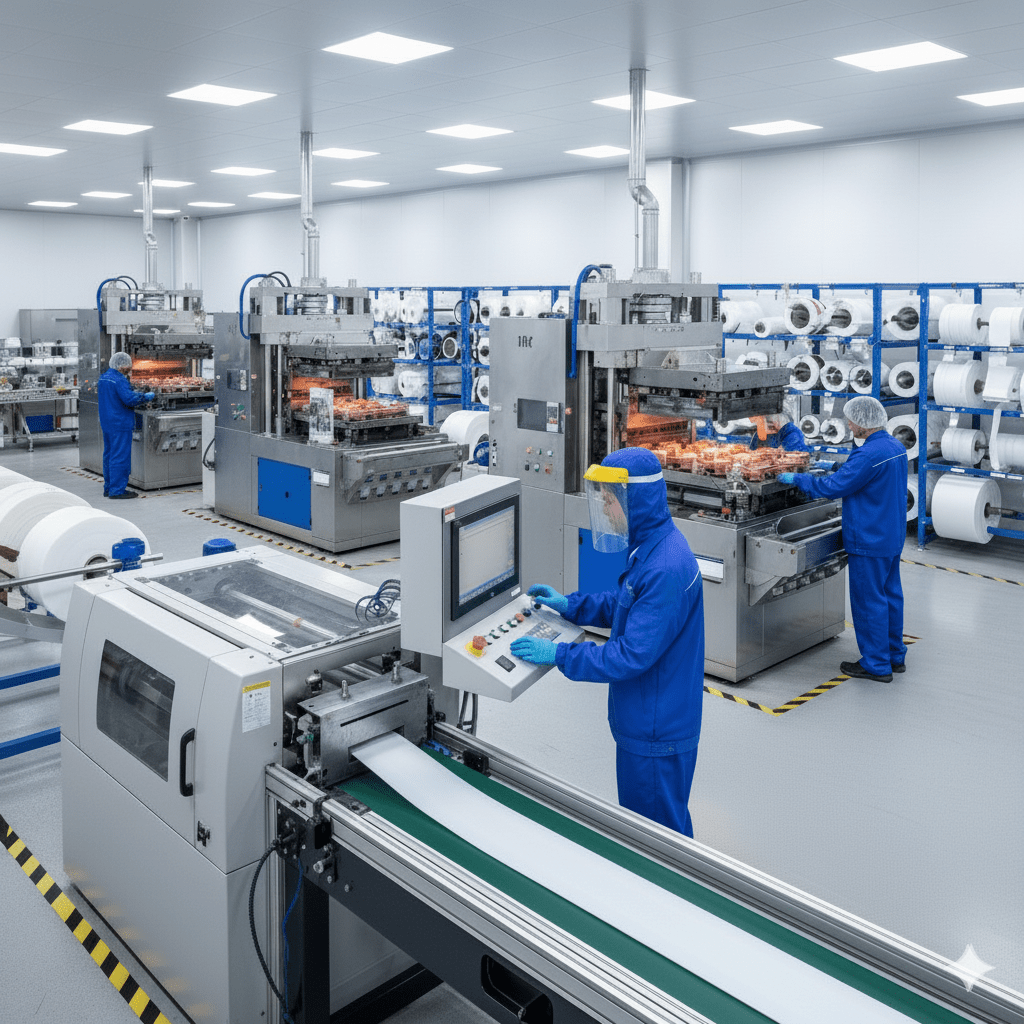
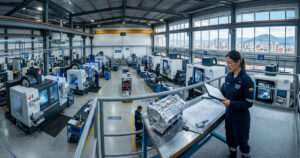
At Sumiparts SAS, quality is at the core of every Silicone Rubber product we manufacture. Each part undergoes a rigorous inspection process — from raw material selection to final testing — ensuring compliance with international standards for mechanical strength, elasticity, and dimensional stability.
Our in-house laboratory and precision measurement equipment allow us to validate the thermal resistance, compression set, and chemical durability of every batch. This commitment guarantees consistency, reliability, and superior performance across all production runs.
Beyond manufacturing, our engineering team provides technical support and co-design services, helping clients select the right silicone formulation and process for their specific application. Whether it’s a prototype or a high-volume production, we collaborate closely with our customers to achieve optimal results and cost-efficient solutions.
With this level of process control and technical expertise, Sumiparts SAS stands out as a trusted partner in Silicone Rubber manufacturing, ensuring that every project meets the highest expectations of quality and innovation.
Applications and Industrial Advantages of Silicone Rubber
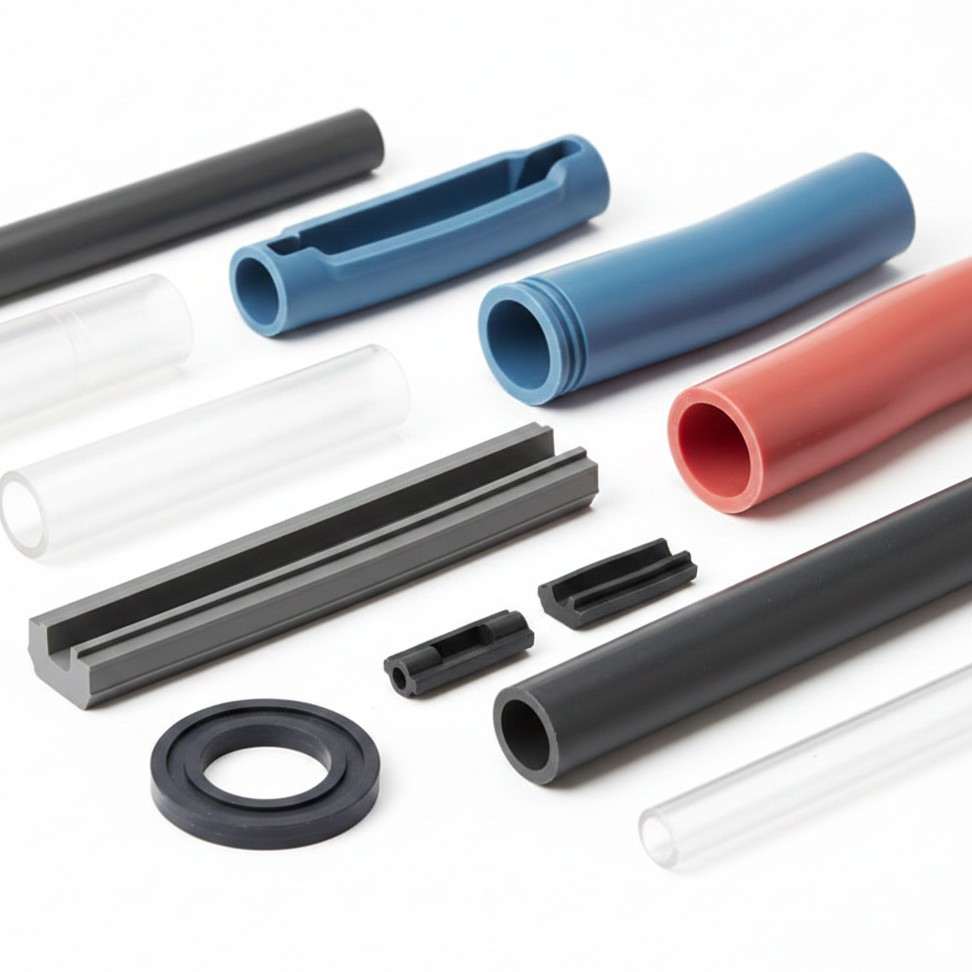
Silicone Rubber is a versatile material widely used across multiple industries, including automotive, industrial manufacturing, construction, food processing, and household goods. Thanks to its unique combination of flexibility, chemical resistance, and thermal stability, Silicone Rubber is ideal for producing seals, gaskets, hoses, protective coatings, and insulation components that perform reliably under demanding conditions.
In the automotive sector, Silicone Rubber is essential for the production of gaskets, vibration dampers, and wiring insulation, ensuring durability and resistance to heat and oil. In industrial applications, it is used for sealing systems, flexible joints, and protective linings exposed to high temperatures or corrosive environments. Within construction, it provides weather-resistant joints, coatings, and sealants that maintain elasticity and waterproofing over time.
Additionally, Silicone Rubber plays a key role in the food and medical industries, where its non-toxic and hygienic properties make it suitable for tubing, molds, and equipment requiring strict safety and sanitation standards.
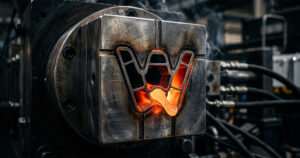
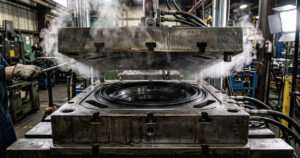
At Sumiparts SAS, we are at the forefront of Silicone Rubber processing, using state-of-the-art machinery for vulcanizing and extrusion processes. Our advanced technology allows us to maintain consistent quality, precision, and high production volume to meet the needs of every project.
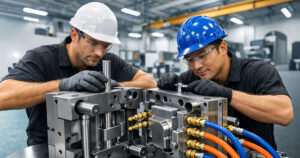
SUMIPARTS SAS has an experienced team of engineers and technicians who combine technical knowledge and manufacturing expertise to deliver customized solutions. Each component is developed under strict quality control systems to ensure that the final product meets international standards and exceeds customer expectations..
Essential Technical Properties of Silicone Rubber
The unique molecular structure of silicone—featuring an inorganic silicon-oxygen backbone—endows this elastomer with physical and chemical characteristics that far outperform petroleum-based rubbers:
Extreme Thermal Thresholds: Silicone rubber maintains its tensile strength, elongation, and flexibility across a massive temperature spectrum, operating continuously from -60°C to over 230°C (-76°F to 446°F). It can withstand intermittent spikes even higher without becoming brittle or melting.
Excellent Compression Set Resistance: A critical property for sealing applications; silicone exhibits an exceptionally low compression set. When compressed under high mechanical load and heat, it returns to its original molded shape, maintaining an airtight, fluid-tight seal over years of operation.
Biocompatibility & Chemical Inertness: Odorless, tasteless, and non-toxic, silicone does not support bacterial growth and is chemically inert against many acids, bases, and industrial fluids, making it safe for direct human contact and food contact.
Environmental & Dielectric Strength: Silicone is completely immune to UV radiation, cosmic ozone, and severe weathering. It also serves as an outstanding electrical insulator with high dielectric breakdown voltage, vital for electronic housing seals.
Classification of Processing Raw Materials: LSR vs. HCR
Depending on the geometry, volume, and performance specifications of your blueprint, the Sumiparts manufacturing plant utilizes two distinct types of silicone bases:
Liquid Silicone Rubber (LSR)
LSR is a two-part platinum-cured compound pumped through a cold runner system into a heated mold cavity. Its low viscosity allows for the automated, high-speed injection molding of intricate, thin-walled parts with micro-tolerances. LSR is the premier choice for complex medical devices, infant care components, and precision automotive seals.
High-Consistency Rubber (HCR / Gum Rubber)
HCR consists of high-molecular-weight polymer chains that resemble thick clay. It is processed via compression molding or continuous profile extrusion. HCR offers superior tear strength and mechanical toughness, making it the ideal base for heavy-duty industrial hoses, thick profile gaskets, and high-voltage cable insulation.
Critical Industrial Uses & Market Applications
Reviewing the balance of silicone rubber properties and uses highlights its presence as a critical component in top-tier engineering sectors across North America:
Medical & Healthcare (USP Class VI / ISO 10993): Manufacturing of surgical implants, peristaltic pump tubing, fluid drainage valves, and respiratory masks requiring absolute biocompatibility and autoclave sterilization resistance.
Food Processing & Dairy (FDA & NSF Compliant): Custom-molded seals for commercial ovens, food-grade transfer tubing, and filling machine gaskets that resist chemical CIP (Clean-in-Place) washdown cycles.
Aerospace & Defense: Low-temperature airframe seals, vibration-isolating mounts for cockpit avionics, and structural engine gaskets capable of handling rapid high-altitude thermal drops.
Automotive Engineering: High-heat under-hood components including spark plug boots, radiator hose liners, turbocharger hoses, and electrical connector seals exposed to aggressive engine compartment heat.
Learn More
Contact us by calling the Pbx: +57 748 22 13, mobile phones (+57) 313 699 13 56 WhatsApp click here
, or by sending an email to info@sumiparts.us. Our technical team will be at your disposal to assist you


 English