
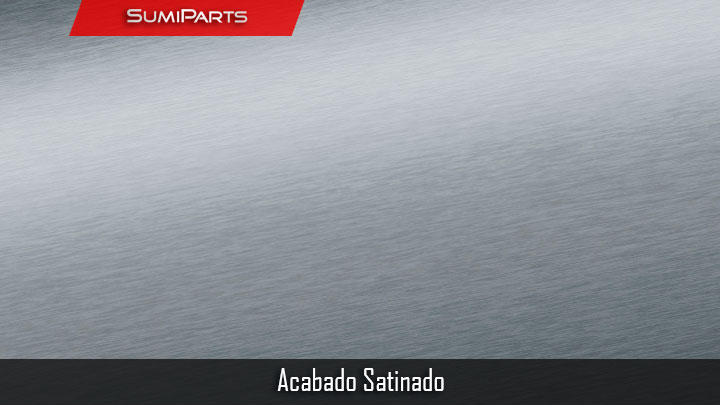
What is Satin Finish and Why It Matters
A Satin Finish is a surface treatment that produces a smooth, low-reflective sheen, striking a balance between polished and matte appearances. Unlike high-gloss finishes, a satin finish offers elegance and subtlety, making it ideal for both industrial and decorative applications.
Industries from appliances and architecture to automotive and furniture design rely on satin finishes to enhance visual appeal while providing durability and resistance to fingerprints, scratches, and minor wear.
How Satin Finish is Applied
Achieving a satin finish involves several careful steps, depending on the material:
-
Surface preparation: The substrate is cleaned and degreased to remove contaminants.
-
Sanding or abrasive brushing: Fine abrasives or brushes create a uniform, subtle texture.
-
Polishing and buffing: Controlled polishing reduces sharp reflections, creating a soft sheen.
-
Protective coating (optional): Applying clear lacquer or coating improves resistance to corrosion and wear.
💡 Tip: Using consistent strokes and applying even pressure during sanding and polishing ensures a uniform satin texture across the entire surface.
Key Benefits of Satin Finish
Manufacturers and designers choose satin finish for several reasons:
-
Elegant appearance: Smooth, low-gloss sheen enhances aesthetics.
-
Reduced glare: Less reflective than high-gloss surfaces, ideal for lighting-sensitive areas.
-
Durability: Provides protection against scratches, fingerprints, and minor abrasions.
-
Versatility: Can be applied to metals, wood, glass, and plastics.
-
Ease of maintenance: Surfaces are easier to clean and maintain over time.
These benefits make satin finishes suitable for both functional industrial components and decorative design elements.
Critical Market Applications
Our satin finish high quality processing division serves as a reliable tier-1 vendor for critical sectors requiring elite cosmetic and functional surfaces:
-
Medical Device Instrumentation: Housings and handles requiring a low-glare finish to prevent distracting reflections under intense operating room surgical lights.
-
Commercial Food & Pharmaceutical Equipment: Linear brushed surfaces engineered to hide scratch marks from daily industrial washdowns while maintaining a non-porous profile that resists bacterial colonization.
-
Premium Commercial & Retail Hardware: Electronic enclosures, control panels, faceplates, and architectural handles requiring a luxury tactile feel and finger-print resistance.
Practical Tips for Achieving the Perfect Satin Finish
To maximize the quality of a satin finish:
-
Use consistent sanding strokes or brushing patterns to avoid uneven texture.
-
Select appropriate abrasive grit for the material type.
-
Apply even pressure during polishing to maintain uniformity.
-
Consider a protective clear coat to extend lifespan and maintain appearance.
-
Always work in a clean, dust-free environment to avoid imperfections.
Following these tips ensures that your satin finish is smooth, elegant, and long-lasting, meeting both aesthetic and functional requirements.
Conclusion: Why Satin Finish is Essential
A satin finish combines elegance, durability, and practicality, enhancing the look and lifespan of metal, wood, and other materials. Its low-glare, smooth surface is suitable for industrial, architectural, and decorative applications, providing both protection and visual appeal.
By following proper preparation and finishing techniques, or working with experienced professionals, you can achieve consistent, high-quality satin finishes that meet modern standards of performance and design.
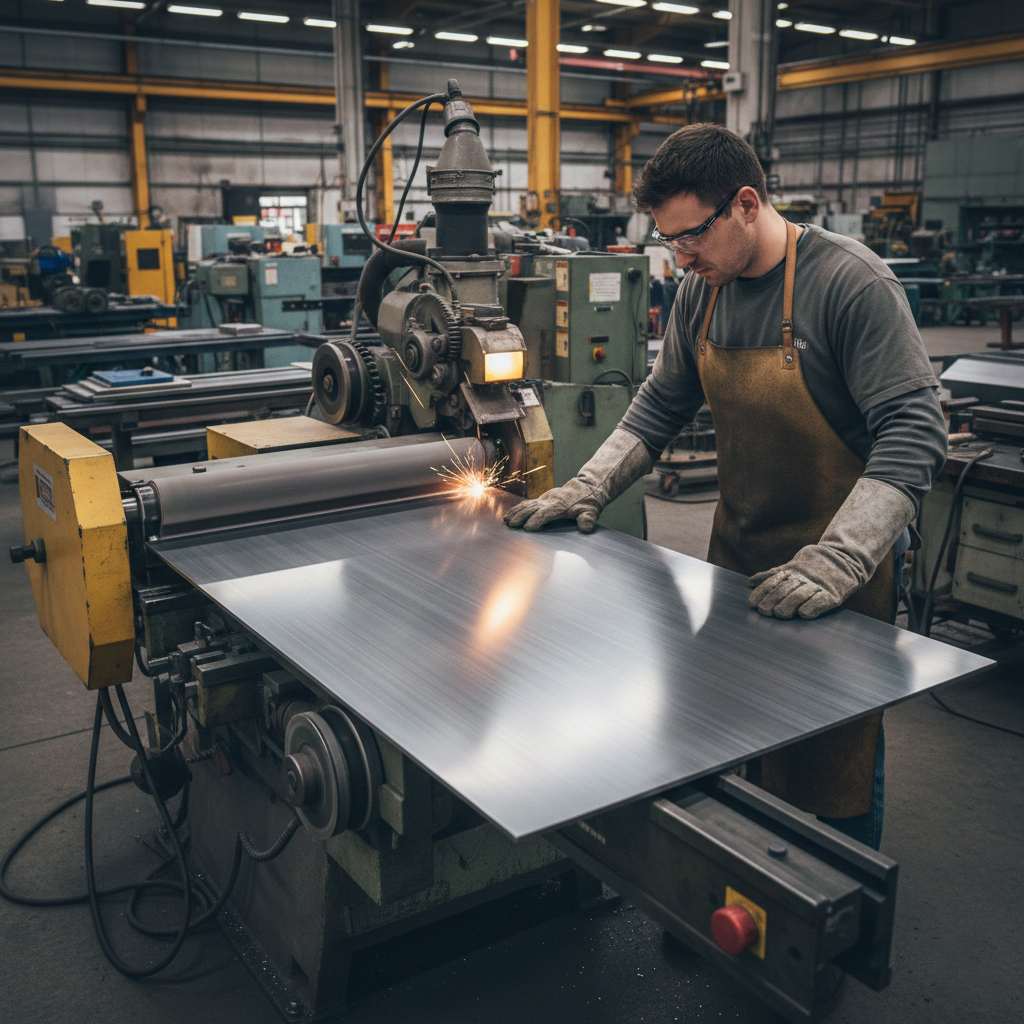
Understanding the Satin Finish and Its Industrial Standard
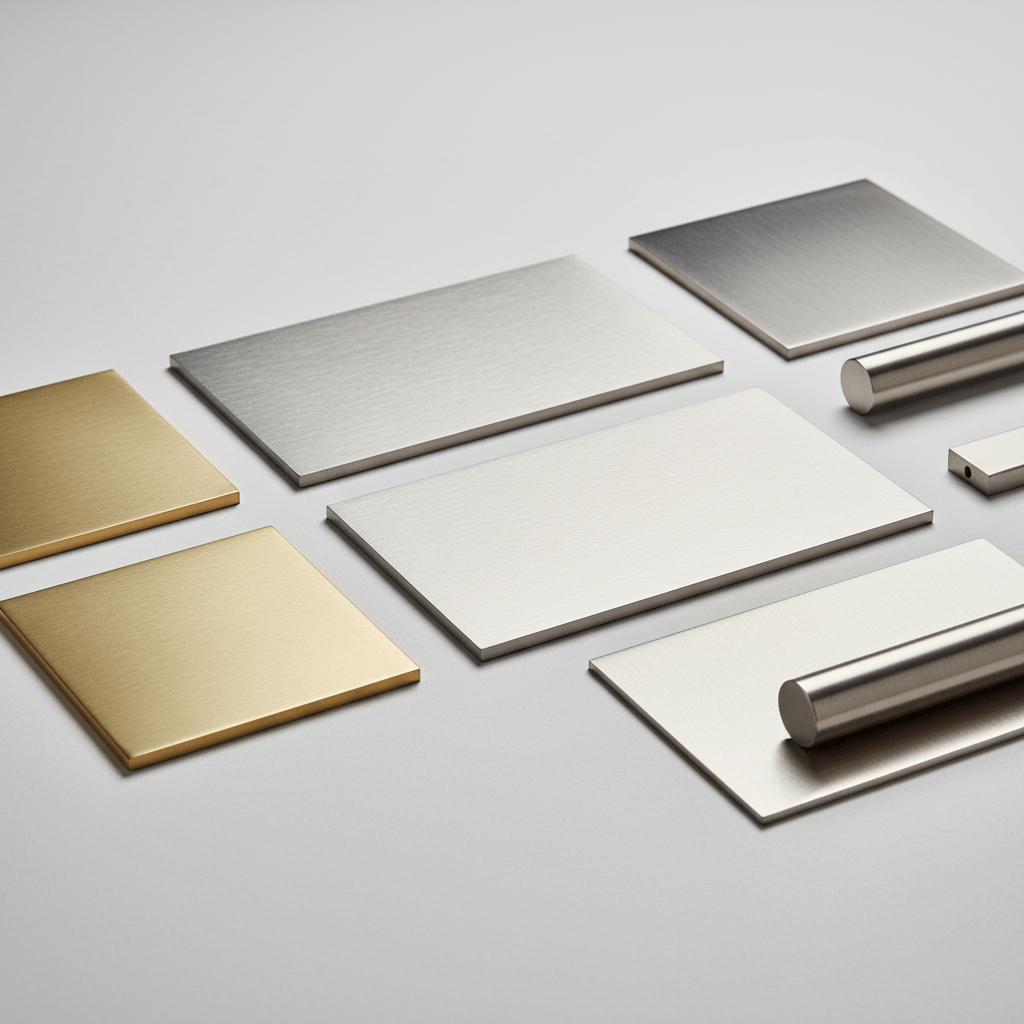
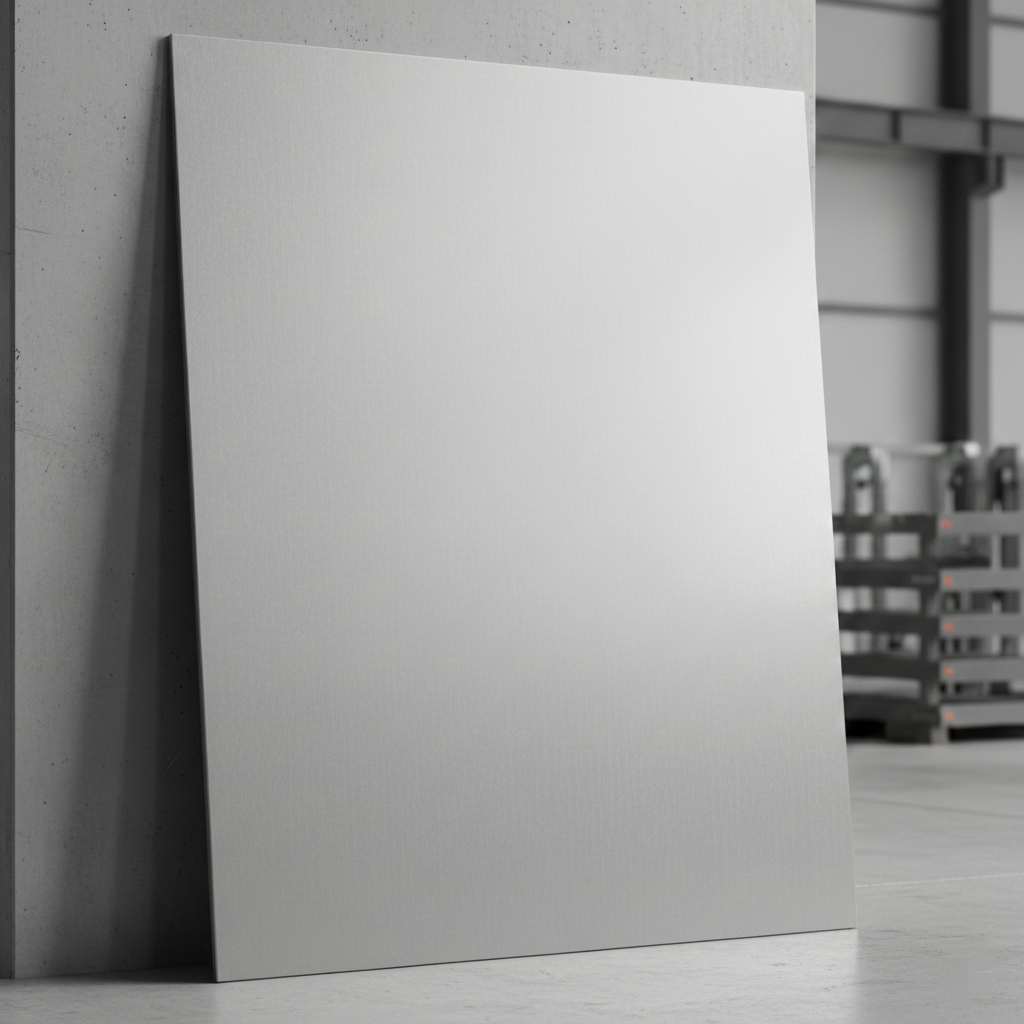
The satin finish sits right between glossy and matte, offering a balanced and elegant appearance. It provides a smooth, silky texture that enhances both the look and the feel of a surface, making it popular in decorative and architectural applications.
In interior design, this type of finish improves the appearance of walls and decorative elements by reflecting light softly and evenly. In metallurgy, it produces a refined texture without creating excessive shine, allowing materials to look polished yet understated. The result is a surface that’s easy to clean, pleasant to touch, and visually consistent — ideal for modern and functional environments.
Within the metallurgical field, specific standards have been established to ensure consistent definitions and results across different materials and coatings. These codes guide professionals in identifying and reproducing the same finish in every application:
-
US2C (602): Galvanized coating over another type of metal, typically cadmium on steel.
-
US2CD: Galvanized satin surface applied to a steel base.
-
US4 (606, 633): Brass finish on plated brass or steel.
-
US5 (609, 638): Finish applied to brass or steel surfaces.
-
US10 (612, 639): Bronze or bronze-plated steel with a satin appearance.
-
US32D (630): Finish applied to stainless steel, widely used in architectural components.
-
US26D (626, 652): Matte chrome coating used on bronze, brass, or steel.
-
US15A (620, 647): Nickel coating for brass, bronze, or steel applications.
To ensure visual consistency across different parts or materials, it’s important to check that the finish codes match before manufacturing or installation. This guarantees that every component will share the same tone, texture, and overall appearance.
The Topography of Satin Finishing: Understanding the Mechanics
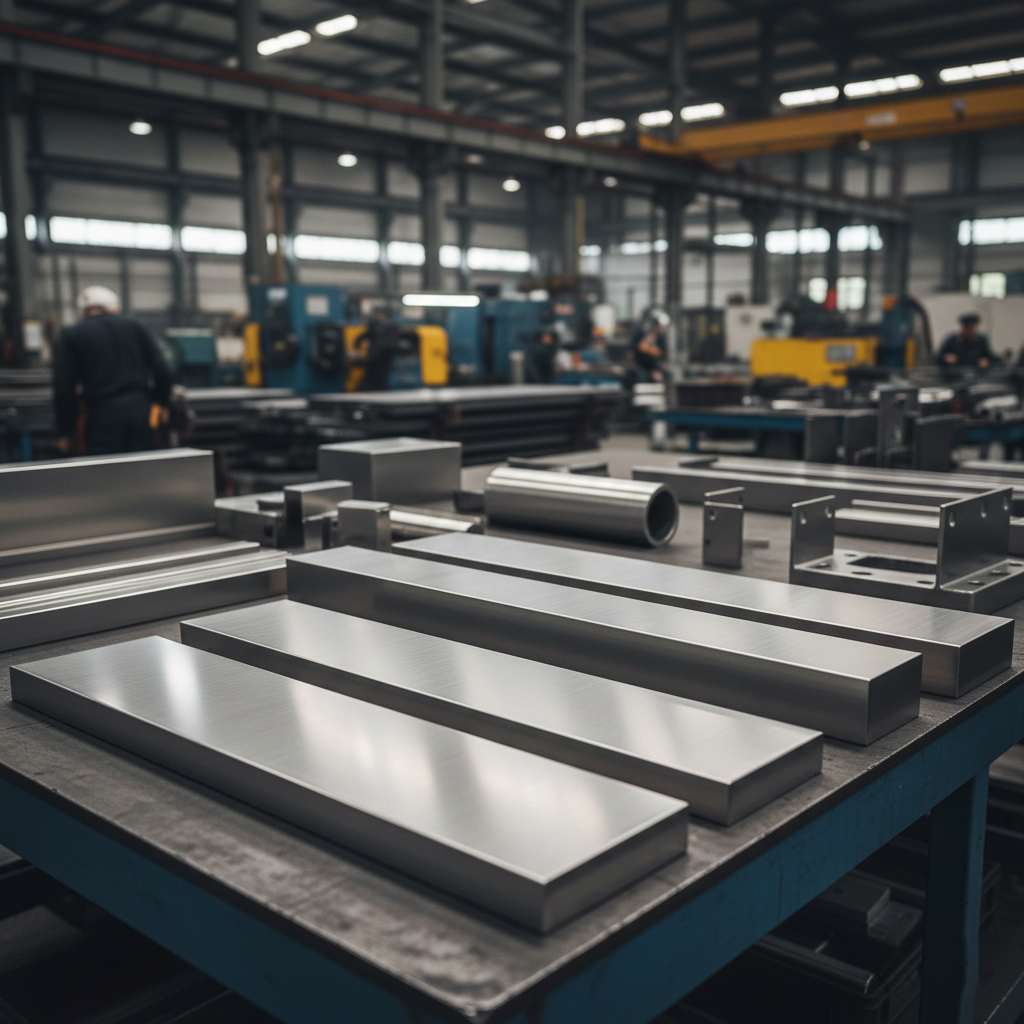
Industrially known as a No. 4 finish or a brushed texture, a premium satin finish falls precisely between a dull matte texture and a highly reflective mirror polish. The surface is composed of a dense network of microscopic, parallel unidirectional scratches.
Our facility controls this process through automated linear stroke sanders and wide-belt graining machines. By modulating the abrasive grit size—typically ranging from 120 to 320 grit depending on the specified depth of the line texture—we achieve an ultra-consistent surface profile. This continuous mechanical texture reduces the high glare characteristic of polished sheets while preserving the natural metallic brilliance of the underlying alloy, striking the ideal balance between modern aesthetics and industrial durability.
Material Specialization and Surface Management
Different alloys possess varying hardness and thermal sensitivity, requiring targeted finishing parameters to prevent surface burning, warping, or contamination:
-
Austenitic Stainless Steel (304 / 316): The premier choice for food-processing equipment and medical housings. We utilize iron-free, non-woven nylon wheels and aluminum oxide belts to prevent cross-contamination, ensuring the metal’s natural passive chromium-oxide layer remains intact to block corrosion.
-
Architectural & Structural Aluminum (6061 / 5052): Aluminum is highly susceptible to heat friction and loading (where metal particles clog the abrasive belt, causing deep gashes). Our plant operates wet-bed graining machinery that uses specialized coolants to keep the surface temperature low, ensuring a burr-free linear grain.
-
Cosmetic Brass and Copper Alloys: Extensively used in luxury retail hardware and high-end consumer electronics. These softer metals are processed with fine-grit silicon carbide media to achieve a soft, lustrous golden-hued satin sheen without deep material erosion.
Automated Quality: Eliminating the Inconsistency of Manual Polishing
The primary vulnerability in commercial metal finishing is the variance introduced by manual hand-polishing. If an operator applies unequal downward pressure or skews the angle of the component against a polishing wheel, the grain direction shifts, creating unacceptable shadows and blotches across the final product assembly.
The Sumiparts smart finishing division eliminates this operational variable by deploying automated, programmable conveyor-fed deburring and finishing systems. The part thickness, conveyor feed velocity, and abrasive wheel head pressure are completely controlled by digital PLC modules. This automated mechanical consistency ensures that the component running at midnight matches the piece processed at noon, locking in a flawless match across multi-thousand-unit production campaigns.
Learn More...
If you want to know more about the Satin Surface Finishing Process, at SUMIPARTS we are willing to collaborate with you. We want to provide you with the best services at your reach. Get in touch with us by calling Pbx: +57 748 22 13 Cel: 313 699 13 56 or by sending an email to info@sumiparts.com. Our technical team will be ready to assist you. we leave you some links that may be of your interes https://sumiparts.us/services/plastic-manufacturing/





 English