
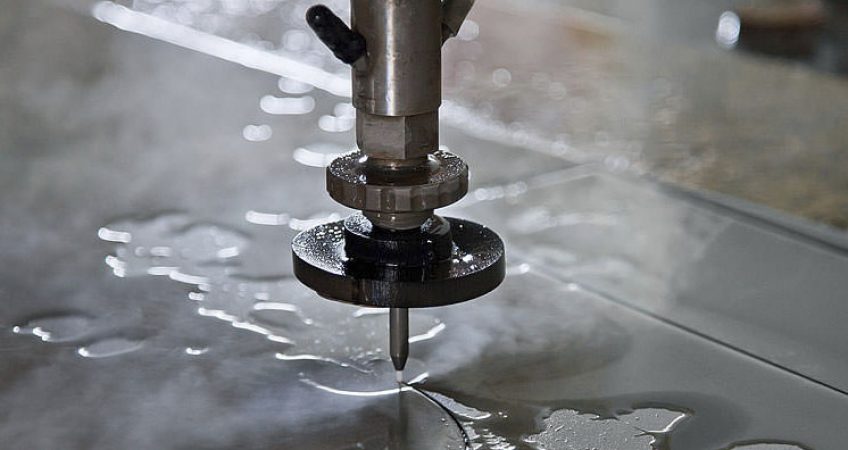
Understanding Waterjet Cutting Technology
Waterjet cutting is a flexible manufacturing technique that uses a high-pressure stream of water, often mixed with abrasive particles, to cut through a wide variety of materials. Unlike conventional methods, this process does not generate heat, preserving the structural integrity of the material.
It works effectively on metals, plastics, composites, glass, and stone. By adjusting water pressure, abrasive type, and nozzle settings, operators achieve precise and clean cuts, even on intricate shapes.
Key Benefits of Using Waterjet Cutting
The waterjet method provides several advantages over traditional cutting techniques:
-
No heat distortion: Materials remain intact without warping or stress
-
Exceptional accuracy: Allows for tight tolerances and detailed designs
-
Versatility: Cuts a wide range of materials including metals and ceramics
-
Environmentally friendly: Produces minimal waste and no harmful gases
-
Adaptable thickness: Capable of cutting thin sheets to thick plates
These features make waterjet cutting ideal for industries where accuracy and material preservation are critical.
Material Preparation and Setup
Before starting a cut, proper preparation of the material is crucial. Surfaces should be clean and free of oils, coatings, or debris that could affect the cut quality. The workpiece must be securely clamped to prevent movement during cutting. Operators carefully plan the layout to maximize material usage and minimize waste.
Advanced systems often include cameras or laser-guided alignment tools to verify positioning, ensuring precision in every operation. This preparation step is essential for achieving smooth edges and accurate dimensions.
Techniques and Nozzle Selection
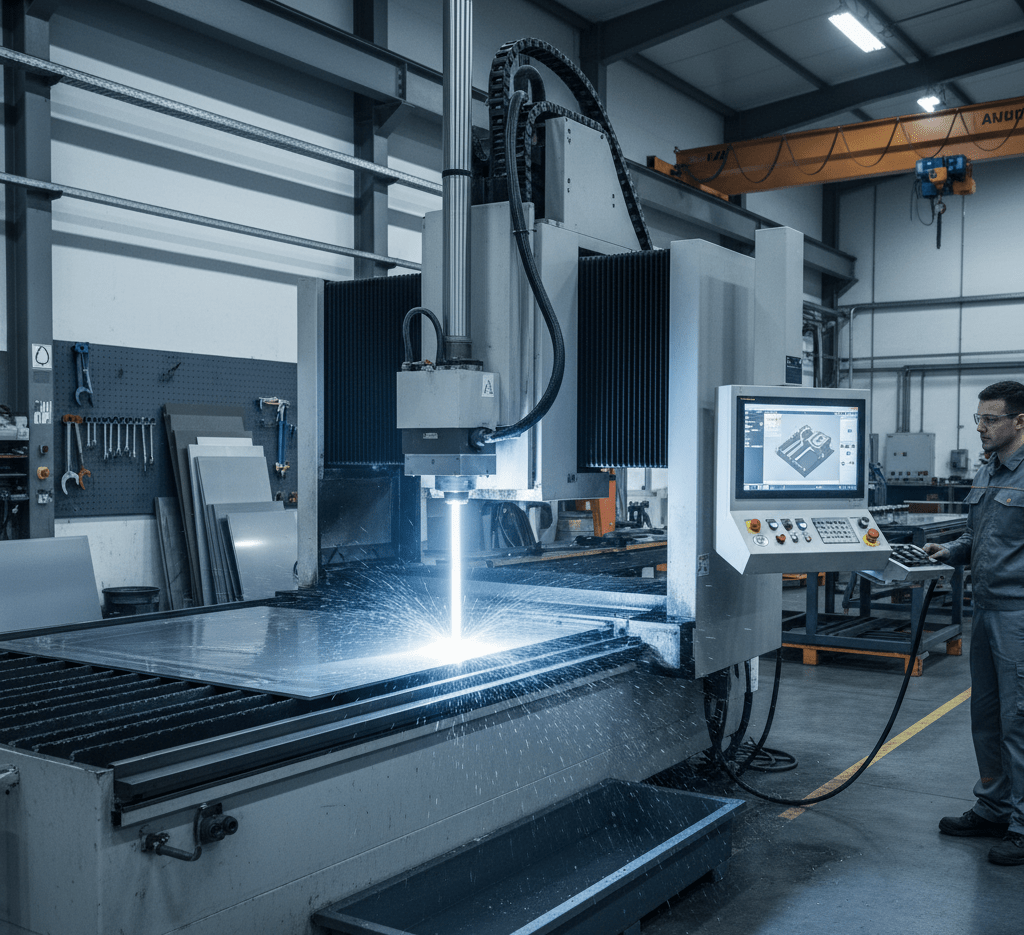
Waterjet machines use different nozzle types depending on the material and desired finish. Fine nozzles are ideal for delicate or intricate shapes, while larger nozzles are used for thicker plates. Abrasive materials, such as garnet, can be added to the water stream to cut harder substances like steel or stone.
Operators can adjust the cutting speed, pressure, and abrasive flow to optimize performance. Slower cutting speeds allow for finer details, whereas higher speeds improve production efficiency for larger or simpler shapes.
Applications Across Industries
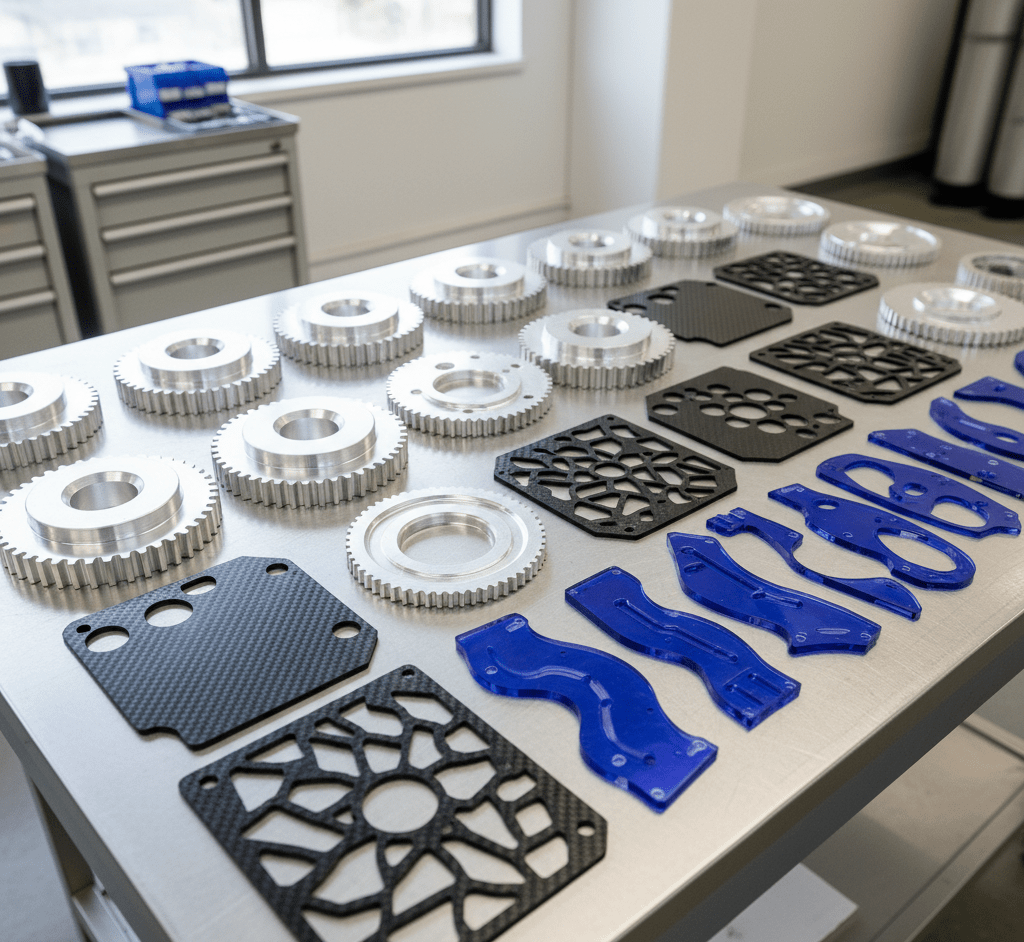
Waterjet technology is applied in various sectors, such as:
-
Aerospace: Fabricating titanium and aluminum components, composite parts
-
Automotive: Creating custom panels, engine components, and interior elements
-
Industrial machinery: Producing precise mechanical components and gaskets
-
Architecture & design: Cutting stone, glass, and decorative metals
-
Electronics: Crafting enclosures, insulators, and heat sinks
Its ability to achieve complex geometries without thermal damage makes waterjet cutting a preferred choice for specialized applications.
Tips for Achieving Optimal Cuts
To ensure the best results with waterjet technology, manufacturers should:
-
Maintain clean water and correctly mixed abrasive
-
Adjust pressure and speed for each material type
-
Secure and align workpieces properly
-
Inspect nozzles and hoses regularly to maintain cutting accuracy
-
Prototype critical parts before full production runs
Following these guidelines ensures high-quality and consistent results while minimizing material waste.
Emerging Trends in Waterjet Technology
Modern waterjet machines integrate with CNC systems, multi-axis cutting, and advanced software that optimizes cutting paths. Innovations include higher cutting speeds, greater precision, and the ability to handle increasingly complex designs.
As manufacturing demands grow, waterjet cutting continues to provide efficient, precise, and versatile solutions across diverse industries.
Thermodynamic Dynamics of 4,136-Bar (60,000 PSI) Stream Generation
For mechanical engineers and quality assurance auditors, understanding the thermodynamic and kinetic energy scale inside a precision waterjet cutting cell is vital to evaluating process capability. To generate a stream capable of slicing through armor plating, our ultra-high-pressure intensifier pumps mechanically compress water up to operating pressures ranging from 4,136 bar to 6,200 bar ($60,000 to 90,000 PSI PSI).
This extreme hydraulic pressure forces the water through a microscopic jewel orifice (typically precision-ground sapphire, ruby, or diamond) measuring between 0.25 mm and 0.35 mm in diameter.
As the compressed water escapes the jewel restriction into atmospheric pressure, its potential pressure energy is instantly converted into kinetic velocity, generating a supersonic water jet traveling at speeds exceeding Mach 3 —over 1,000 meters per second. This supersonic velocity creates a severe internal vacuum inside the mixing chamber directly beneath the jewel orifice. This vacuum automatically draws in precisely metered quantities of alluvial garnet abrasive grains. The garnet particles interlock with the water stream inside a tungsten carbide focusing tube, turning the jet into a high-density, supersonic abrasive saw that cuts via microscopic micro-erosion rather than thermal shearing.
Conclusion
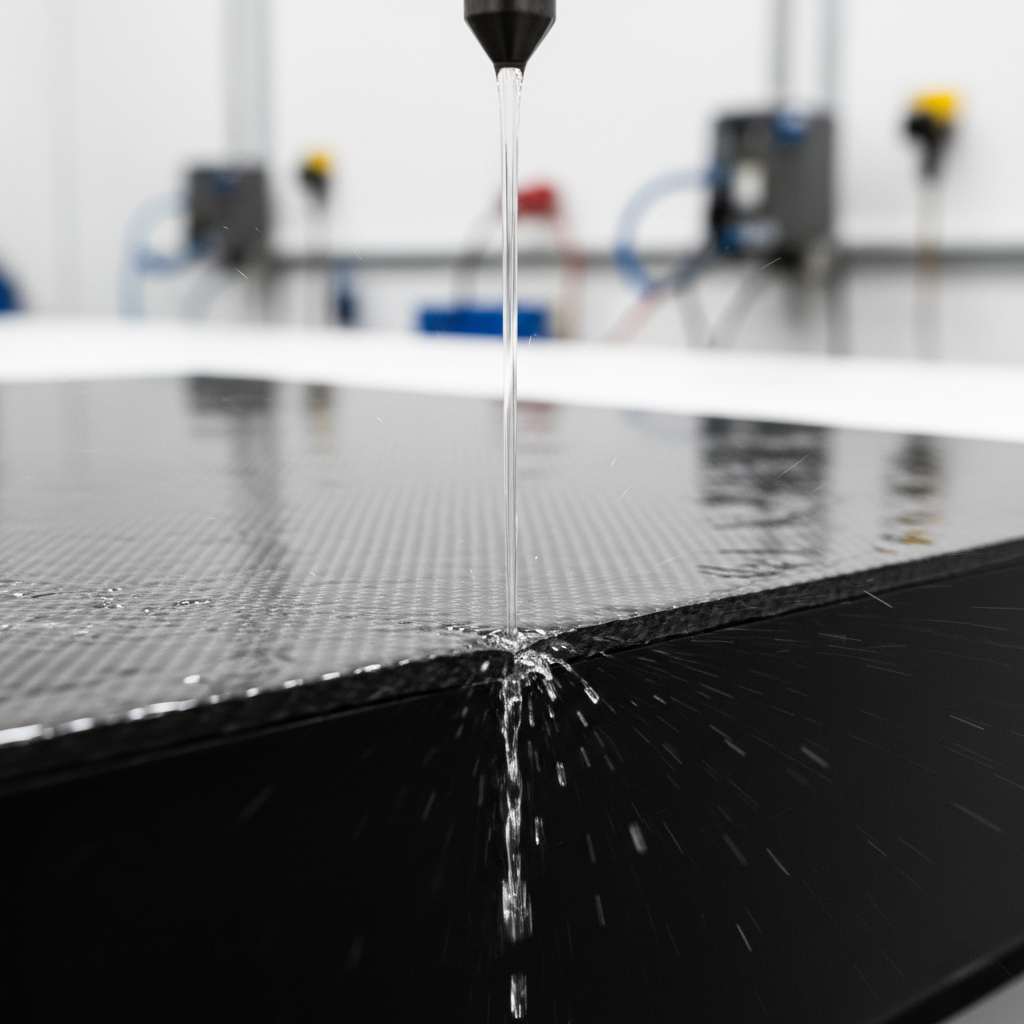
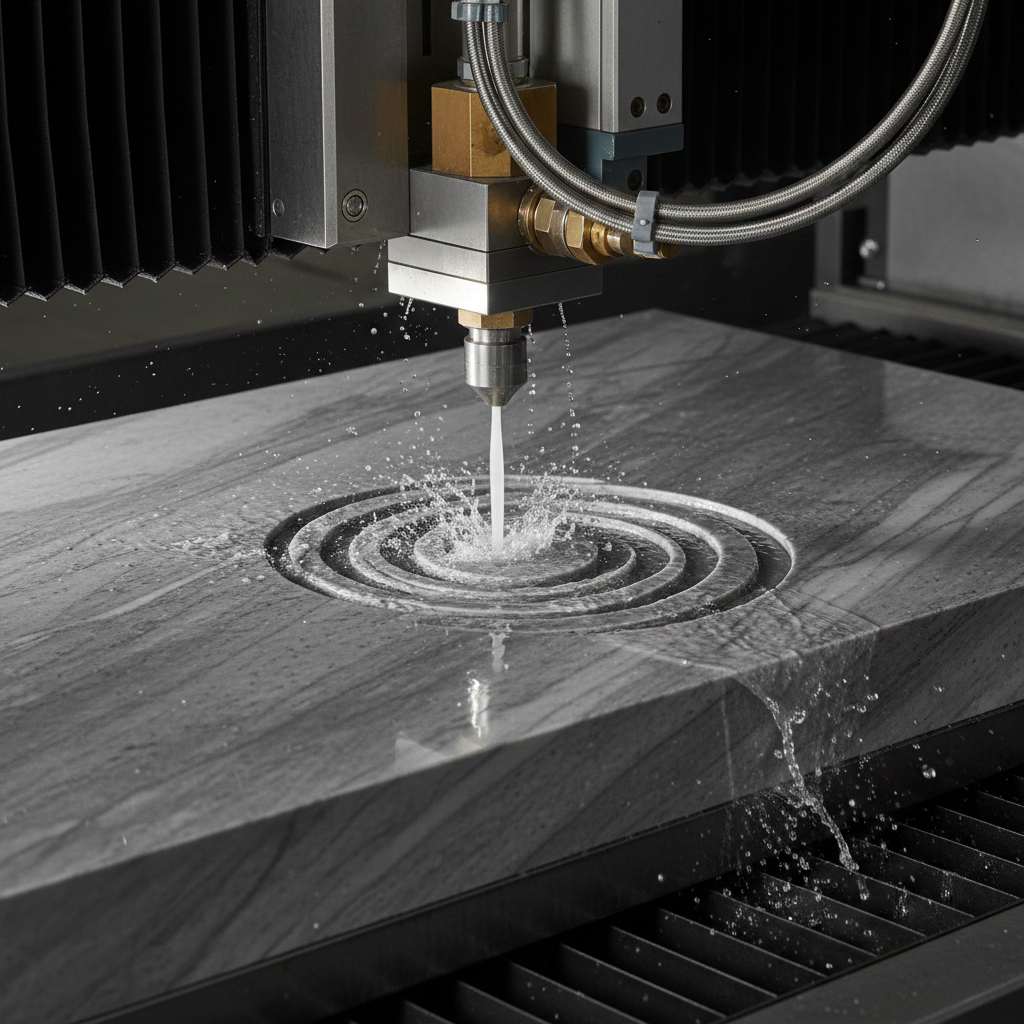
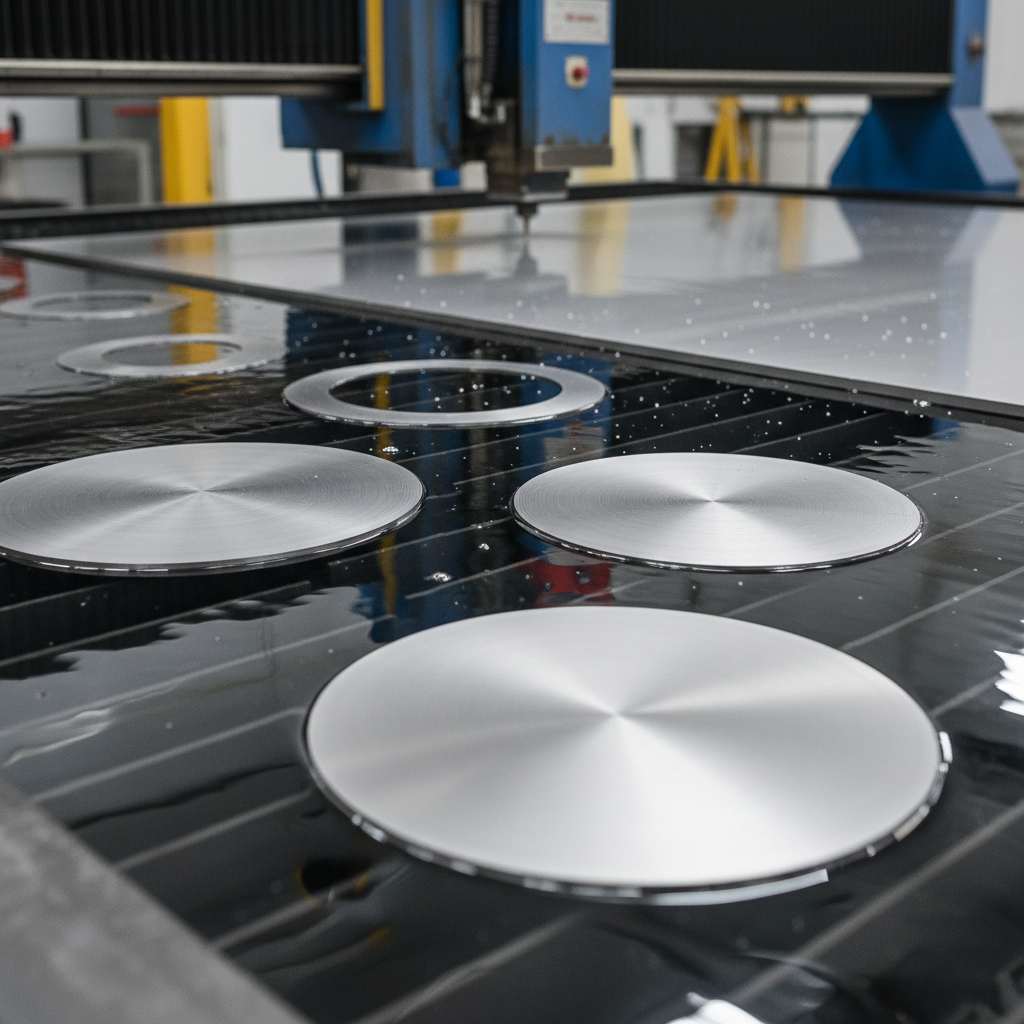
Waterjet cutting offers a combination of precision, versatility, and eco-friendly operation. By leveraging high-pressure water streams and computer-controlled guidance, manufacturers can produce intricate, durable parts efficiently. This method ensures that even the most demanding projects are completed with quality and consistency, making waterjet cutting a cornerstone of modern industrial fabrication.
Secure Your Heavy-Gauge Profiling with Sumiparts
Sourcing heavy industrial or fragile composite components requires a manufacturing partner that operates with data-driven precision and rigorous quality control. Choosing Sumiparts for your precision waterjet cutting campaigns ensures your components are processed with premium abrasive mediums, state-of-the-art taper compensation, and complete material traceability tailored for the competitive North American B2B market. Contact our international contract engineering office today to upload your DXF or STEP files and secure an optimized manufacturing evaluation.
Edge Quality Classifications (Quality 1 to Quality 5)
To optimize your production budget and match your precise design parameters, Sumiparts calibrates its cutting speeds based on the international Waterjet Edge Quality Classifications Q1 through Q5):
-
Q1 / Q2 (Separation & Rough Cut): Executed at maximum speed. Ideal for raw material blanking, structural brackets, or components destined for heavy secondary CNC milling where edge aesthetics are irrelevant.
-
Q3 (Standard Commercial Finish): A highly economical baseline for general industrial fabrications, providing clean edges with minimal striation lines along the bottom half of the cut.
-
Q4 / Q5 (Precision & Ultra-Smooth Finish): Executed at a controlled, slower velocity with fine garnet abrasive mesh. This configuration completely eliminates striation marks, yielding a smooth, satin face finish that passes strict aerospace and architectural cosmetic inspections straight off the cutting table.
Learn More...
If you’d like to learn more about our Waterjet Cutting service at SUMIPARTS, we’d be happy to help. We strive to provide you with the best services at your fingertips. Contact us by calling +57 748 22 13 or emailing grupoempresarial@sumiparts.com. Our technical team will be ready to assist you.


 English