
How the Laser Cutting Process Works
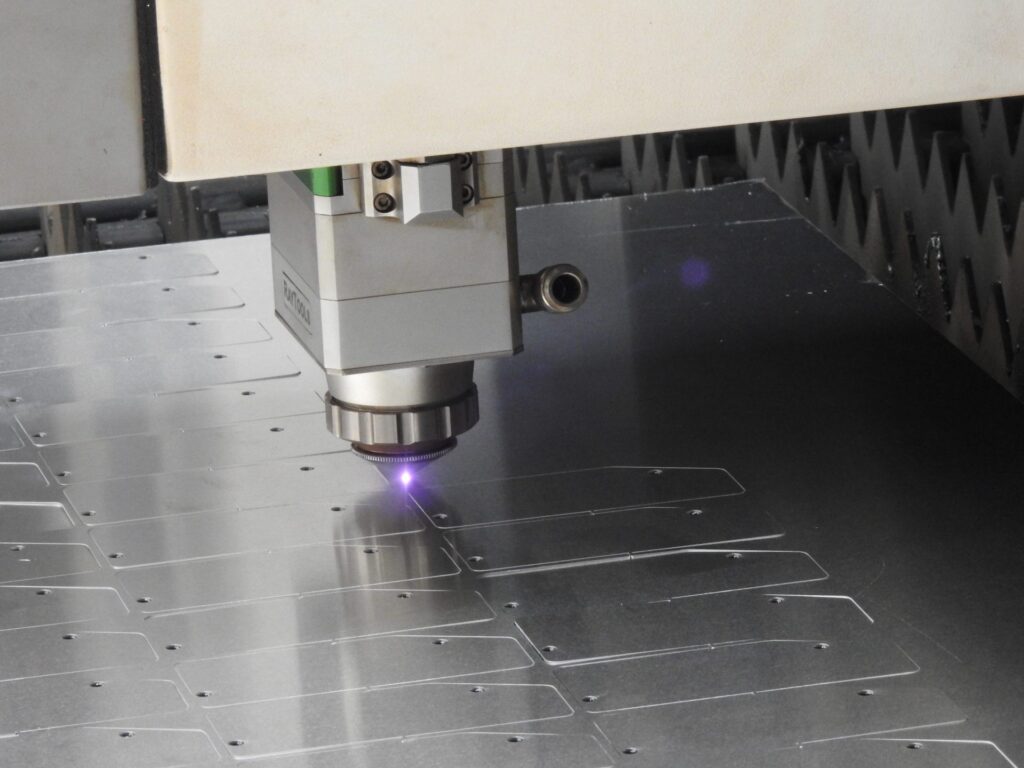
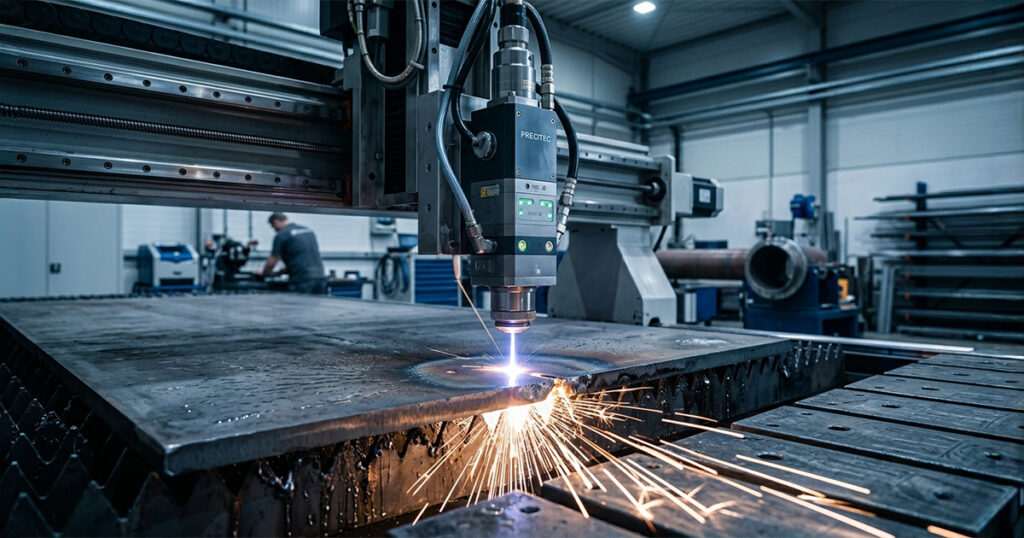
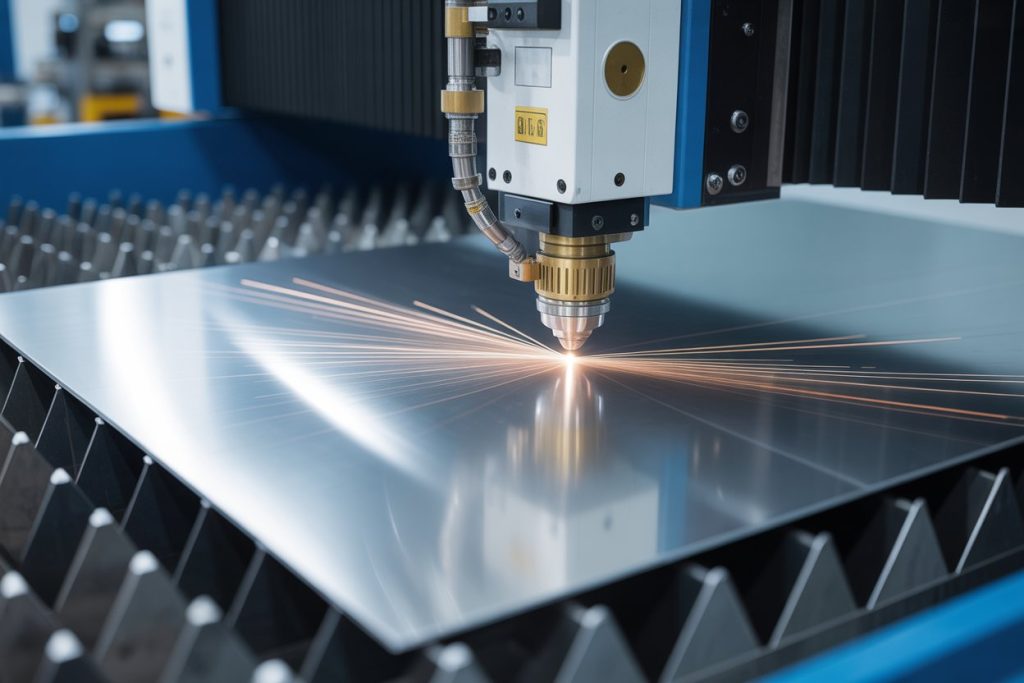
During laser cutting, a high-energy beam is directed onto the aluminium surface through optical lenses. The focused heat melts or vaporizes the material in a narrow path, while a stream of gas — typically nitrogen or oxygen — removes molten residues. This combination ensures clean edges and fast processing speeds.
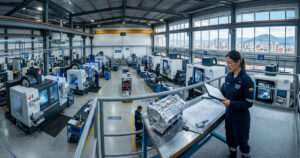
Modern CNC laser machines can follow complex cutting paths directly from digital designs, eliminating the need for tooling and reducing setup time. Parameters such as laser power, cutting speed, and gas pressure are carefully adjusted to prevent oxidation and ensure optimal results across different aluminium thicknesses.
Challenges and Solutions in Aluminium Laser Cutting
Although aluminium is highly reflective and thermally conductive, advanced laser systems have overcome many of these challenges. Fiber lasers, in particular, are designed to handle reflective metals safely, converting energy efficiently and minimizing beam reflection.
Proper focus control, assist gas selection, and machine calibration are essential to maintain edge quality and avoid burr formation. Additionally, using protective coatings or specialized nozzles can enhance performance when working with thin or polished aluminium sheets.
These innovations have made aluminium laser cutting faster, safer, and more reliable than ever before.
Key Applications Across Industries
Aluminium laser cutting is used in a wide variety of fields thanks to its balance of precision and productivity. Some of the most common applications include:
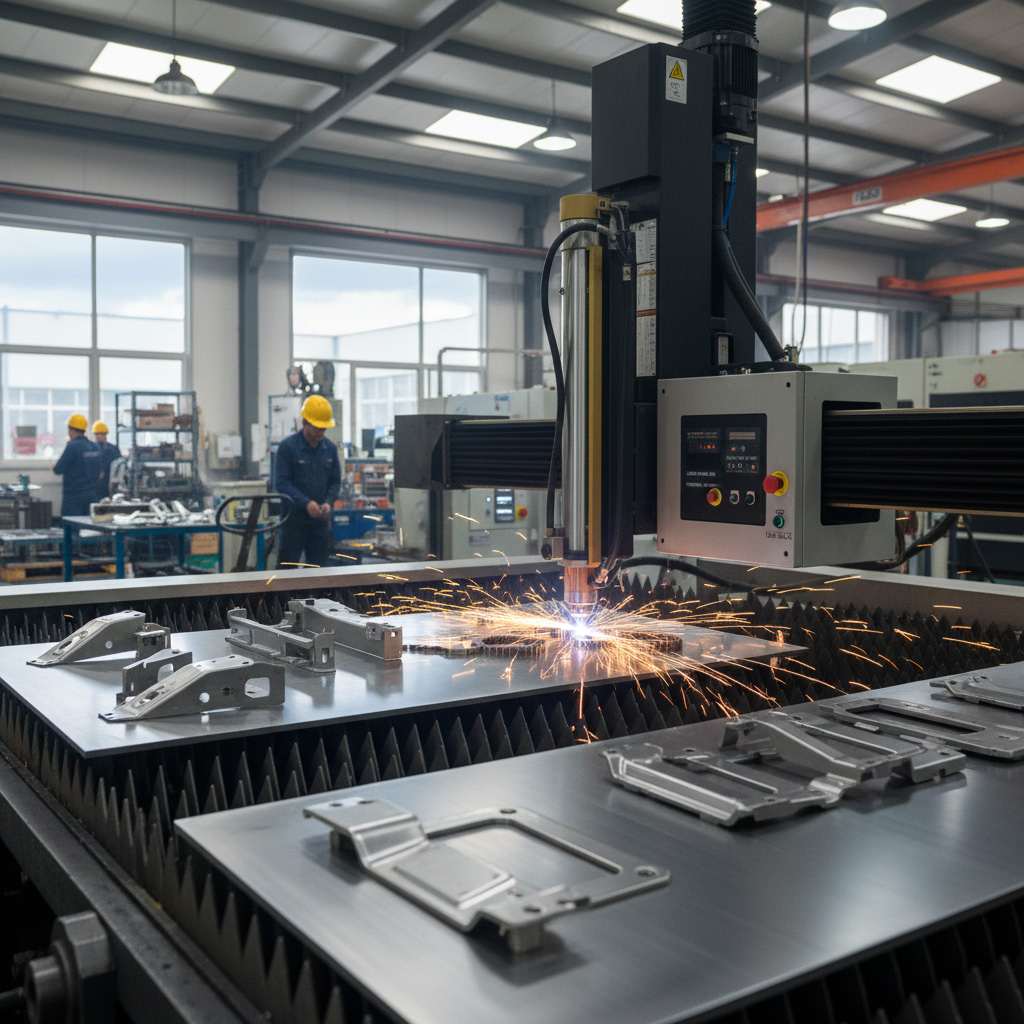
Automotive components, such as brackets, covers, and trim pieces
Architectural panels and decorative facades requiring detailed designs
Electronic housings and lightweight structural parts
Aerospace components demanding tight dimensional control
Custom signage and branding elements with smooth, polished finishes
Each of these applications benefits from the accuracy and repeatability of laser processing, reducing post-processing needs and improving overall efficiency.
Benefits and Practical Advantages
Manufacturers choose aluminium laser cutting because it offers a combination of speed, accuracy, and cost-effectiveness that few other processes can match. The main advantages include:
Exceptional precision with minimal edge deformation, allowing components to meet tight tolerances and reducing the need for secondary finishing.
Clean, oxide-free cuts when using nitrogen or argon assist gases, producing surfaces ready for assembly or coating.
Reduced material waste, thanks to narrow kerf widths that maximize the use of aluminium sheets and minimize scrap.
High production efficiency through automated CNC control, enabling faster turnaround times and consistent output.
Design flexibility, allowing intricate geometries, complex patterns, and fine details that would be difficult or impossible with traditional cutting methods.
No physical contact, minimizing the risk of material distortion, scratches, or surface imperfections, which is especially important for polished or decorative components.
In addition to these technical benefits, aluminium laser cutting also contributes to overall operational efficiency. By reducing setup times, eliminating tool wear, and minimizing manual handling, manufacturers can lower production costs while maintaining high quality. The process is particularly valuable for high-volume production where repeatability and reliability are critical.
These features make laser processing a preferred choice for industrial manufacturing, combining performance, visual appeal, and precision. Whether for structural components, automotive parts, or architectural elements, aluminium laser cutting ensures consistent results even in complex or large-scale projects. Its combination of speed, accuracy, and flexibility allows companies to meet modern design and production demands without compromising quality.
Conclusion and Next Steps
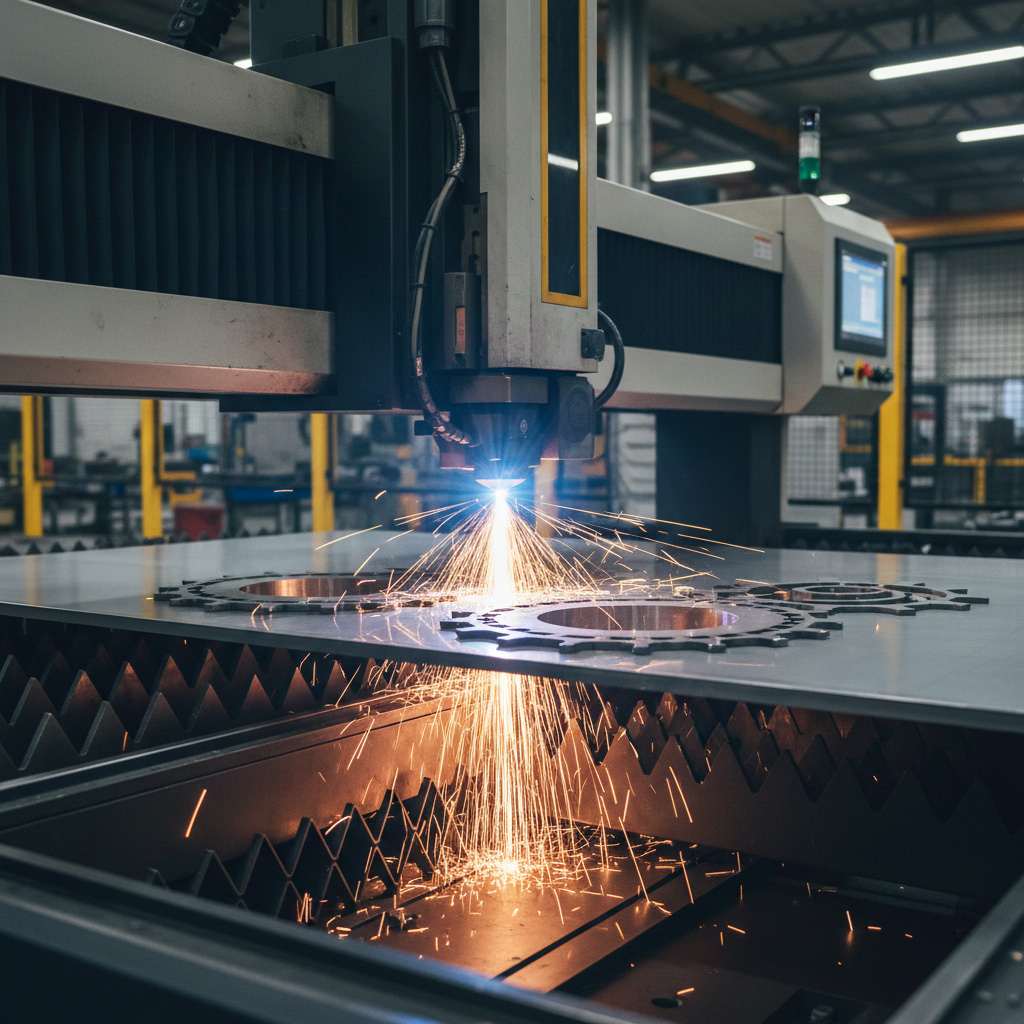
Laser cutting in aluminium has revolutionized the way manufacturers create lightweight, durable components. Its ability to combine speed, precision, and repeatability supports industries that demand perfection in every cut.
To achieve the best performance, work with a machining partner who understands laser technology and aluminium behavior — ensuring each project meets dimensional, visual, and functional standards.
By integrating advanced laser systems and proper process control, companies can deliver products that reflect true engineering excellence and modern design.
Material Specialization: Processing Structural Aluminium Alloys
Different aluminum series possess varying alloying elements (such as magnesium, silicon, or copper) that alter their melting points and viscosity when molten. Our CNC laser systems are pre-programmed with optimized frequency profiles for the most demanding industrial grades:
5002 / 5052 Sheet Alloys (Magnesium-Stablished): Widely utilized for marine hardware, electronic chassis, and automotive panels. It exhibits exceptional weldability and formability, cutting with a clean, semi-gloss edge profile.
6061-T6 Structural Alloys (Silicon/Magnesium-Hardened): The backbone of structural framing, aerospace components, and heavy-duty industrial brackets. It cuts efficiently but requires precise gas flow modifications to minimize oxide formation along the cut path.
3003 Commercial Alloys (Manganese-Alloyed): Highly ductile and economical, processed at rapid feed rates for high-volume stamped or bent component configurations.
Assist-Gas Dynamics: Nitrogen vs. Oxygen Processing
The selection of the assist gas injected through the laser nozzle dictates the final metallurgical quality of the cut edge. Our plant provides targeted gas configurations based on your post-processing requirements:
High-Pressure Nitrogen Cutting (The Clean Edge Standard)
For the vast majority of our industrial contracts, we utilize high-purity nitrogen operating at pressures exceeding 15 to 20 bar. The nitrogen acts as a mechanical purging agent, physically blasting the molten aluminum out of the kerf before it can react with atmospheric oxygen. This completely prevents edge oxidation, delivering a pristine, bright silver finish that is immediately ready for robotic welding or powder coating without manual edge grinding.
Oxygen Cutting (Thick Plate Optimization)
For heavy structural plates, oxygen can be utilized to initiate an exothermic reaction, adding thermal energy to assist the beam. While this increases cutting capacity on thicker gauges, it leaves a thin oxide skin on the cut edge that must be chemically or mechanically removed if the part is destined for structural welding.
Minimizing Edge Dross and Thermal Striation
For quality assurance engineers and aerospace inspectors, the primary metric of a high-quality thermal cut is the absence of dross (commonly known as slag)—the solidified metal droplets that cling to the bottom edge of a laser cut. Aluminum has a low melting point but a relatively high surface tension and viscosity when molten, which naturally encourages dross formation if the laser cutting parameters are misaligned by even a fraction of a percent.
At the Sumiparts facility, we mitigate dross formation through strict focus-point calibration and feed-rate synchronization.
Because aluminum dissipates heat rapidly, running the laser too slowly allows the heat to bleed into the surrounding material, expanding the heat-affected zone (HAZ) and causing the molten metal to weld itself back to the bottom of the sheet. By focusing the fiber laser beam slightly below the bottom surface of the material (negative focus positioning) and applying high-velocity micro-pulsing toolpaths, we create a wider kerf profile. This optimized geometry allows our high-pressure nitrogen gas to cleanly eject the liquefied metal matrix, delivering a burr-free edge that complies with strict industrial handling standards.
.
Learn More...
If you’d like to learn more about our aluminum laser cutting service, SUMIPARTS is happy to help. We want to provide you with the best services at your fingertips. Contact us by calling +57 748 22 13, mobile (+57) 313 699 13 56, or by emailing info@sumiparts.com. Our technical team will be ready to assist you.


 English