
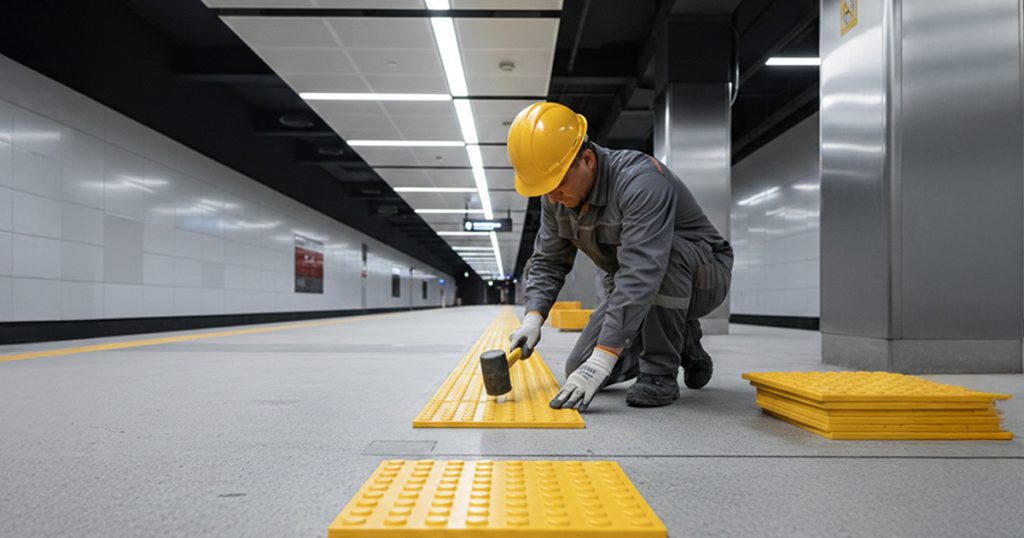
Tactile paving (podotáctiles) is essential for ensuring accessibility and safety for people with visual impairments. When choosing between plastic (PVC) and concrete, it is important to understand their technical differences, durability, and installation processes. Here is a detailed comparison to help you make the best decision for your project.
PVC vs. Concrete Tactile Paving: Selecting the Superior Surface for Accessibility
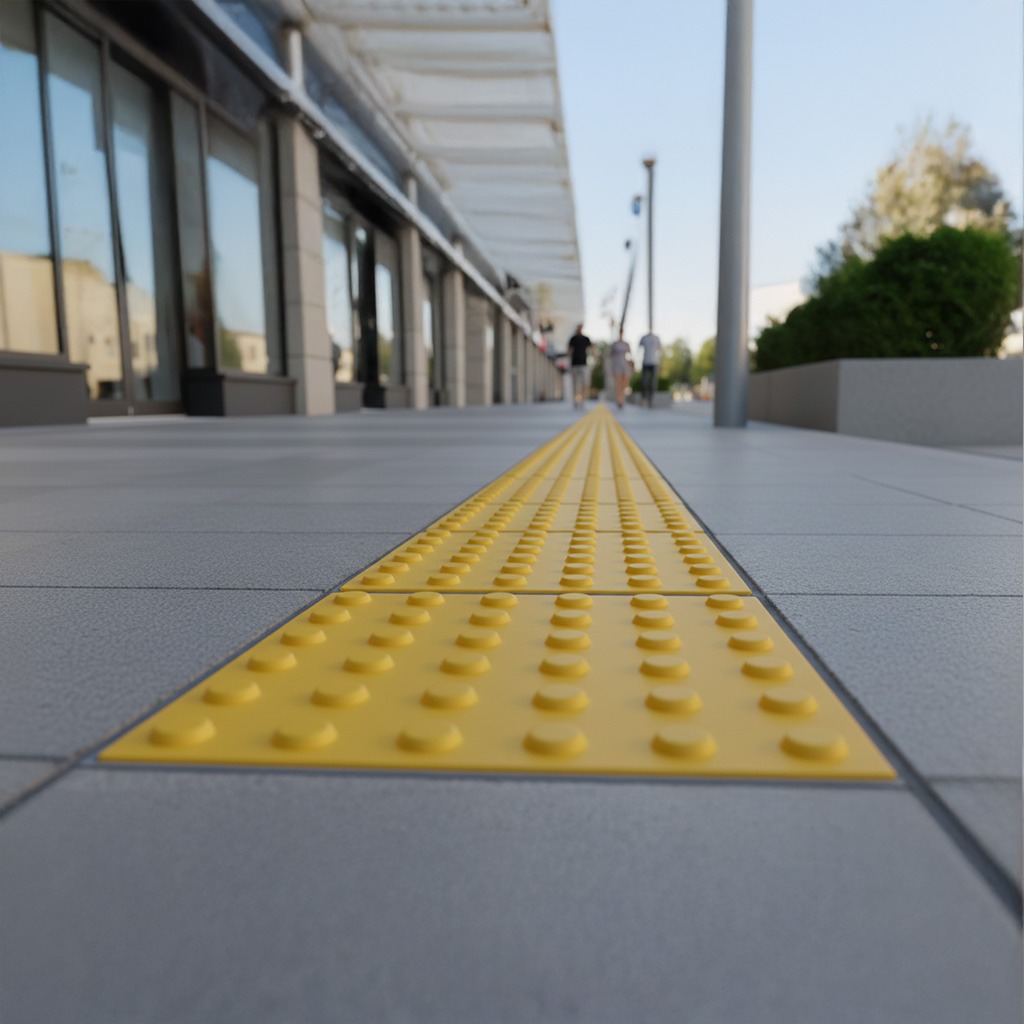
Tactile paving—often referred to as detectable warning surfaces—is a critical safety feature in modern urban design. Designed to assist visually impaired pedestrians in identifying hazards such as street crossings or platform edges, these truncated domes must meet strict regulatory standards (like ADA in the US). However, the choice between PVC (Polymer) and Concrete involves a complex trade-off between initial cost, installation speed, and long-term structural resilience. At Sumiparts, we analyze these materials through the lens of industrial engineering to help our clients build safer, more inclusive environments.
1. Durability and Resistance
Concrete: These are highly resistant to heavy traffic and extreme weather conditions. However, over time, they can crack, erode, or lose their texture due to constant wear, which reduces their effectiveness.
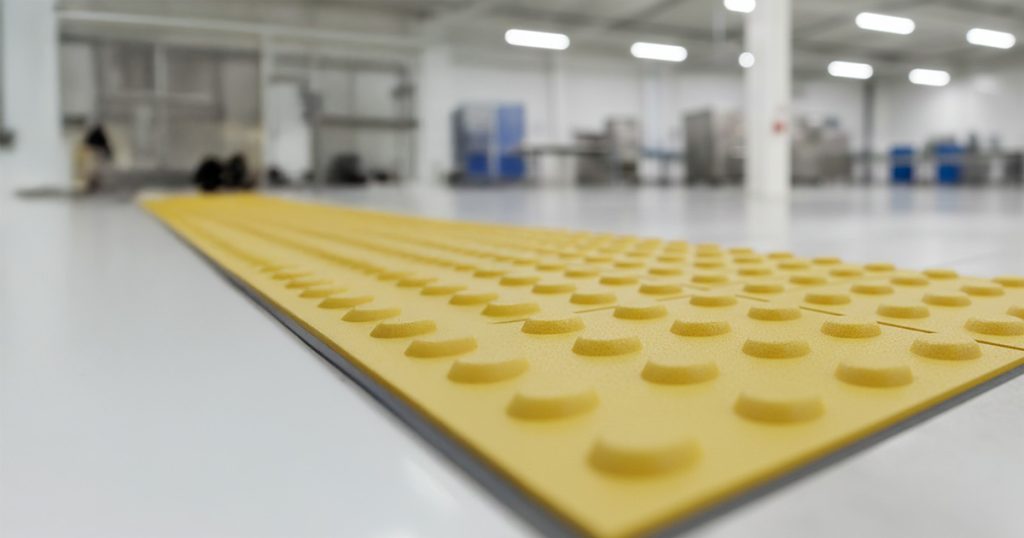
PVC (Polyvinyl Chloride): High-quality PVC is designed to withstand high impact and abrasion. It is resistant to UV rays, chemicals, and moisture, ensuring that the tactile warnings remain sharp and functional for a long time.
2. Installation and Versatility
Concrete: Installation is more complex and permanent. It usually requires specialized labor, excavation, and drying time, which can obstruct pedestrian traffic for days.
PVC: These are much easier and faster to install. They can be adhered directly to existing surfaces (like tile, wood, or smooth concrete) using high-strength adhesives. This makes them ideal for renovations or indoor spaces without the need for major construction.
3. Maintenance and Cleaning
Concrete: Due to its porous nature, concrete tends to accumulate dirt and stains. Cleaning often requires specialized equipment or pressure washing.
PVC: They are non-porous and very easy to clean with standard methods. Their surface prevents the proliferation of fungi and bacteria, making them a more hygienic option for hospitals or offices.
4. Safety and Visibility
Concrete: While they comply with regulations, their colors (often integrated into the mix) can fade over time, reducing the visual contrast necessary for people with low vision.
PVC: Available in vibrant, long-lasting colors (like safety yellow), they provide excellent visual contrast. Additionally, PVC offers better slip resistance, even when wet.
5. Sustainability and Cost
Concrete: While the material itself is affordable, the total cost increases due to labor, transport, and installation time.
PVC: Although the unit cost may vary, the savings in installation time and maintenance make it a very cost-effective solution in the medium and long term.
Why Texture and Contrast Matter
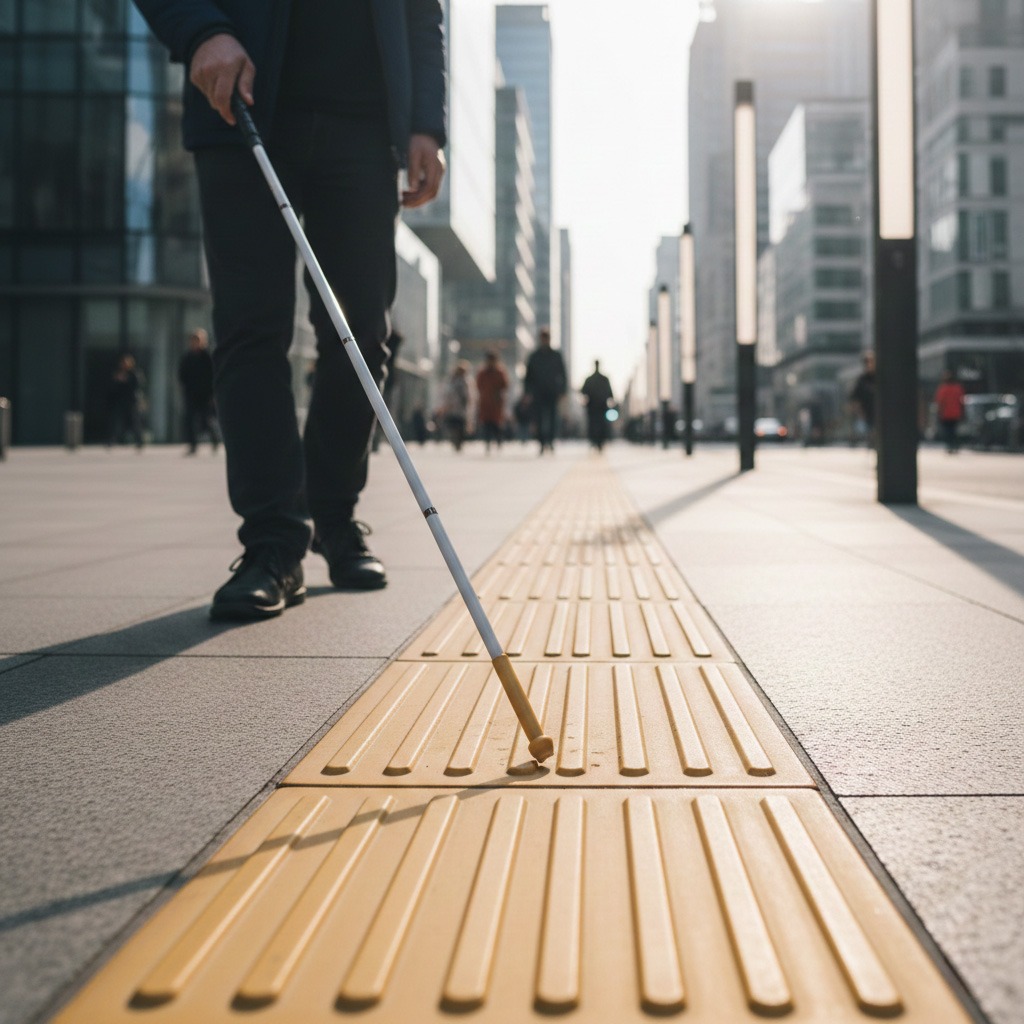
The physical guidance provided by these surfaces serves as a critical language for orientation. A well-implemented system informs the pedestrian about:
Directional Flow: Guiding the path safely along corridors or sidewalks.
Potential Hazards: Signaling changes in level, stairs, or upcoming intersections.
Decision Points: Marking entrances or essential service areas.
By prioritizing clear, high-visibility signaling, developers and architects ensure that infrastructure is not only functional but also welcoming. Investing in these solutions minimizes risks and demonstrates a high standard of corporate social responsibility, aligning projects with global standards of inclusive urban planning.
Conclusion: Which one should you choose?
Choose Concrete if you are working on a new large-scale outdoor urban project where heavy machinery is already on-site.
Choose PVC for indoor areas, renovations, or projects that require quick installation, high hygiene standards, and superior durability without the need for heavy construction.
The Social Impact of Universal Accessibility
Creating inclusive environments is more than just a regulatory requirement; it is a commitment to equal opportunities for all citizens. When public and private spaces are designed with high-contrast surfaces and detectable textures, with high quality materials, they provide autonomy to individuals who navigate the world differently.
Cost-Benefit Analysis: The Long View
While concrete may appear cheaper in terms of raw material, the total cost of ownership (TCO) often favors PVC. When you factor in the labor costs of excavation, the specialized equipment needed for concrete finishing, and the high cost of replacing damaged concrete sections, PVC tactile paving emerges as the more economical solution for large-scale municipal projects. Its ease of maintenance and superior resistance to environmental degradation make it the strategic choice for the infrastructure of the future.
Technical Paragraph: Material Resilience and Safety
The structural integrity of tactile paving is a matter of public safety. Through our advanced injection molding processes, we eliminate internal stress points within the PVC tile. This ensures that the material does not suffer from “thermal expansion fatigue”—a common cause of failure in concrete-polymer interfaces. By matching the expansion coefficient of our polymers to standard sidewalk materials, we prevent de-lamination. The result is a tactile surface that remains securely bonded to the substrate, providing a consistent, reliable warning for pedestrians throughout its extended service life.
Installation Efficiency: Surface Applied vs. Cast-in-Place
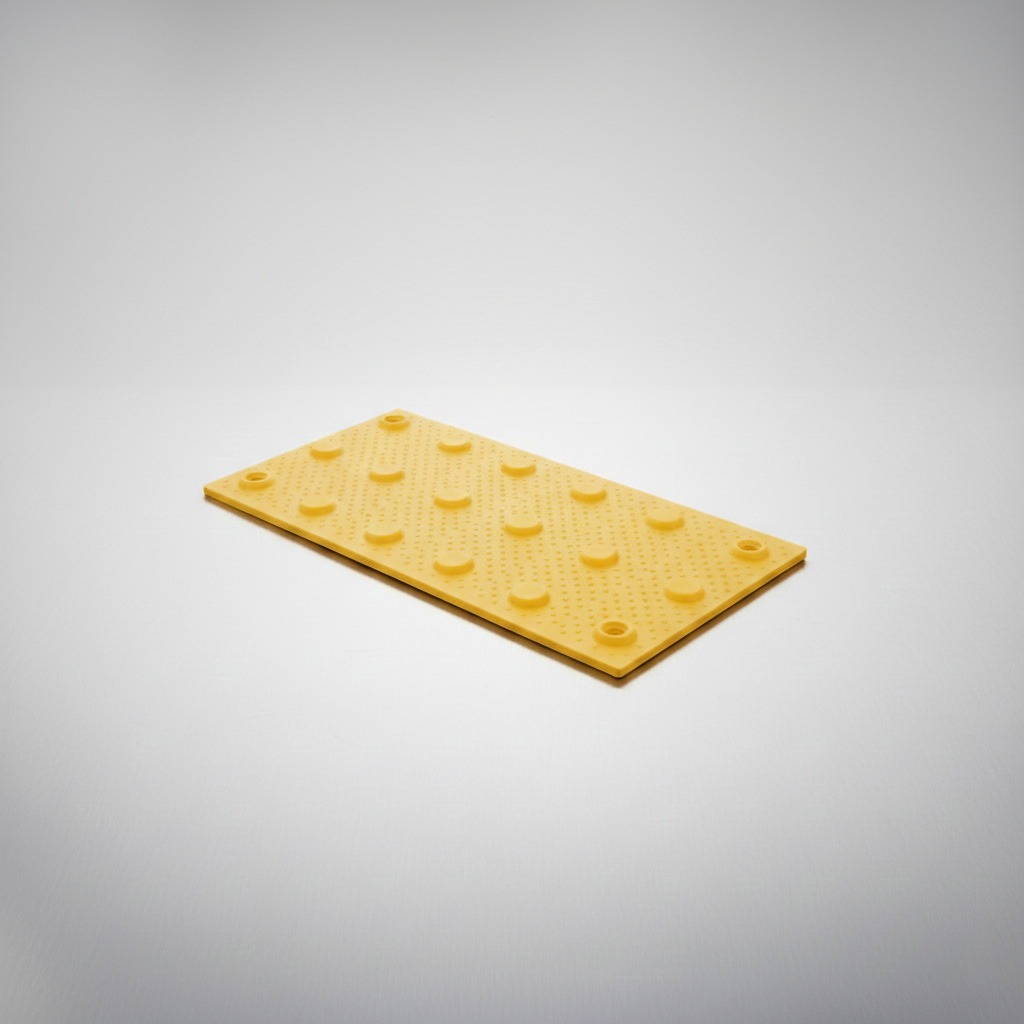
Time is the most expensive component of any US infrastructure project. Concrete tactile paving pvc often requires heavy machinery, wet-work, and extended curing times that block pedestrian traffic for days. SUMIPARTS US offers surface-applied polymer tiles that can be installed in minutes using high-strength structural adhesives and stainless steel anchors. This “Dry-Install” method allows for immediate reopening of sidewalks, significantly reducing labor costs and minimizing public inconvenience.
Slip Resistance and Public Safety
Safety is the primary purpose of tactile paving. Concrete can become dangerously slick when wet or icy, especially as the surface texture wears down. Our PVC units are designed with a micro-texture on the surface of each dome, providing a high Coefficient of Friction (COF) that exceeds ASTM C1028 standards. This ensures that while the domes provide a clear signal to those with visual impairments, they do not create a slip hazard for other pedestrians, even in adverse weather conditions.
Learn more...
Want to learn more about our PVC Tactile Paving Tiles services?
SUMIPARTS is dedicated to serving you. We strive to bring the best solutions directly to you, whenever you need them. Reach out to us via PBX at +601 748 22 13, call us at +57 313 699 13 56, or email us at info@sumiparts.us. Our team is eager to provide the support you deserve.




 English