
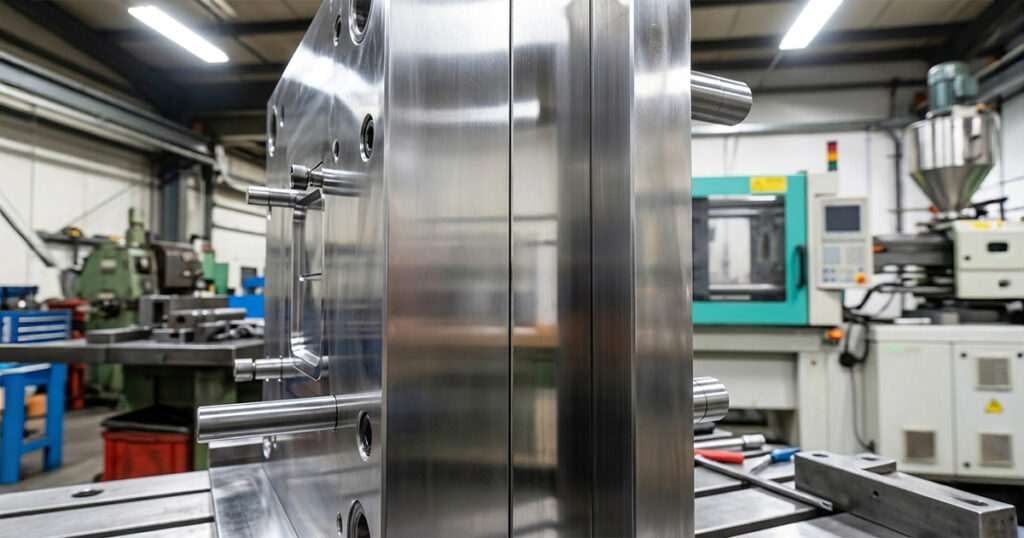
I. Early Involvement: The DFM Revolution
The traditional product development silo—where designers “throw the drawing over the wall” to the mold maker—is the greatest contributor to lead time delays.
Concurrent Engineering: A world-class mold maker intervenes during the initial CAD phase. Through Design for Manufacturing (DFM), they identify geometric complexities that would require expensive side-actions or cause cooling imbalances. By simplifying these features early, the complexity of the mold is reduced, which directly translates to shorter machining hours.
Revision Elimination: Statistics show that a design optimized by a mold maker requires 60% fewer engineering change orders (ECOs) after the tool is built. In the world of mold making, preventing a mistake in the design phase is ten times faster than fixing it in hardened steel.
II. Advanced Simulation: Digital Validation Before Steel
In 2026, a professional mold maker does not “guess” how a part will fill; they simulate it.
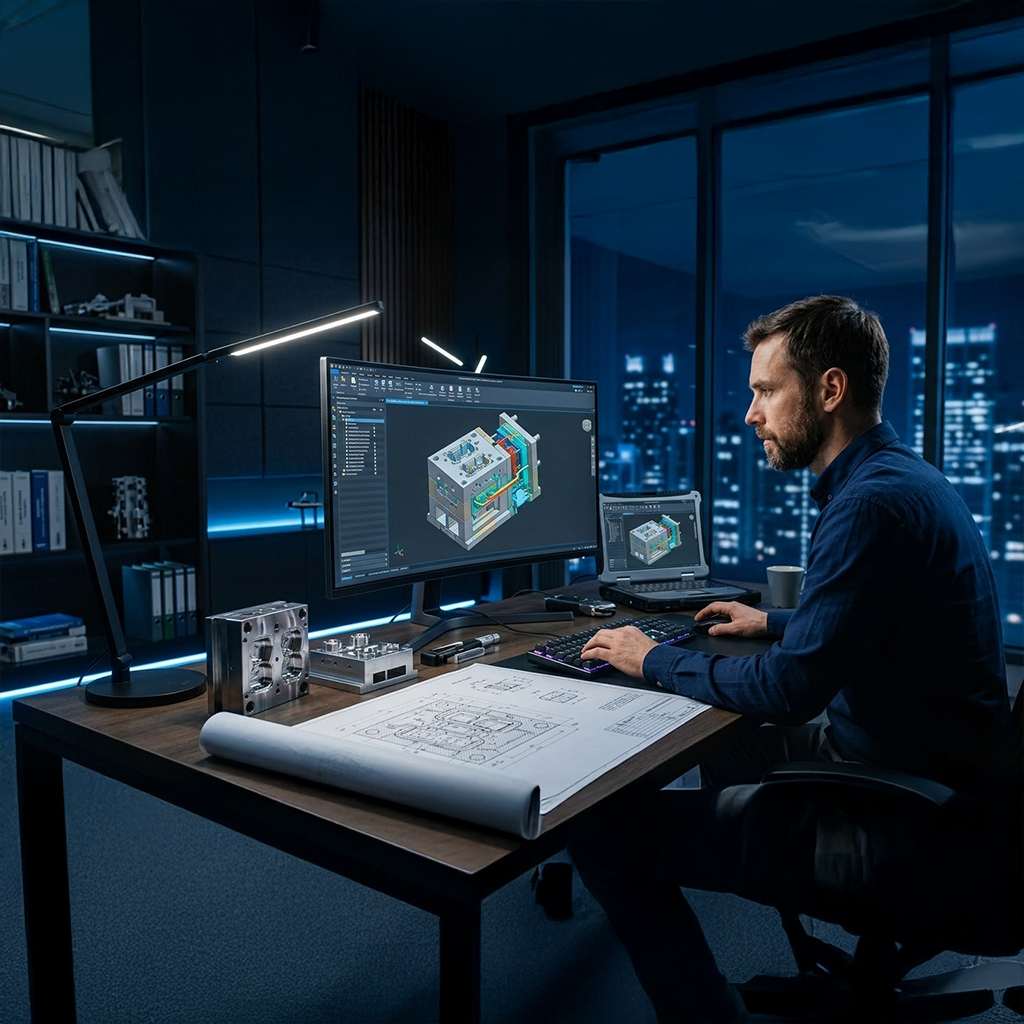
Virtual Prototyping: Using advanced Moldflow and thermal analysis, the mold maker can predict warp, sink marks, and air traps. This digital validation allows the team to adjust gate locations and venting strategies in the virtual world.
Reducing T1 Trial Failures: The most significant lead time “killer” is a failed first trial (T1). By using simulation to ensure the tool is “right the first time,” the mold maker eliminates the weeks-long loop of trial, measure, re-machine, and re-trial. At Sumiparts, our goal is to move from T1 to production-ready parts in a matter of days, not months.
III. In-House Tooling: The Speed of Integration
Outsourcing mold making to a third-party shop adds layers of communication lag and shipping delays. A factory that houses its own mold makers (like Sumiparts) controls the entire timeline.
Real-time Feedback Loops: If a design change occurs during the build, the engineering and tooling teams can synchronize instantly. There are no “queues” or “wait times” for external vendors.
Integrated Maintenance: Having the mold maker on-site means that as soon as a trial is completed, the tool can be moved back to the bench for final polishing or adjustments immediately. This seamless transition between the toolroom and the injection press is the hallmark of a high-velocity manufacturing partner.
IV. Modular Tooling and Master Mold Bases
One of the most effective strategies a mold maker uses to compress lead times is the use of modular systems.
The Master Base Strategy: Instead of building a full custom mold base for every part, the mold maker utilizes a standard “master base.” They only need to machine the specific core and cavity inserts.
Focusing on the “Business End”: This approach reduces the volume of steel that needs to be ordered and machined by up to 70%. In mold making, focusing purely on the inserts allows for rapid prototyping and low-volume production to begin while the final multi-cavity production tool is still being fabricated.
V. High-Speed Machining (HSM) and EDM Synergy
The technology used by the mold maker defines the speed of the build.
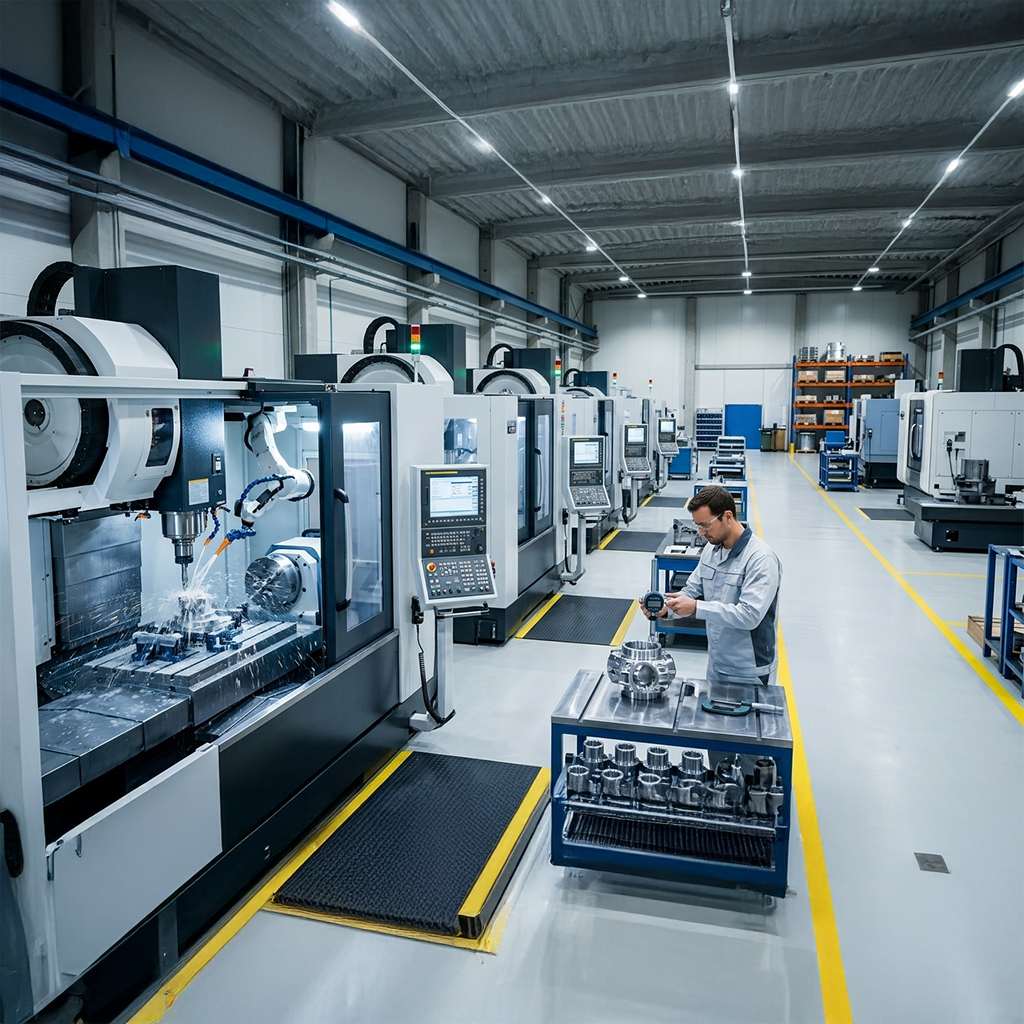
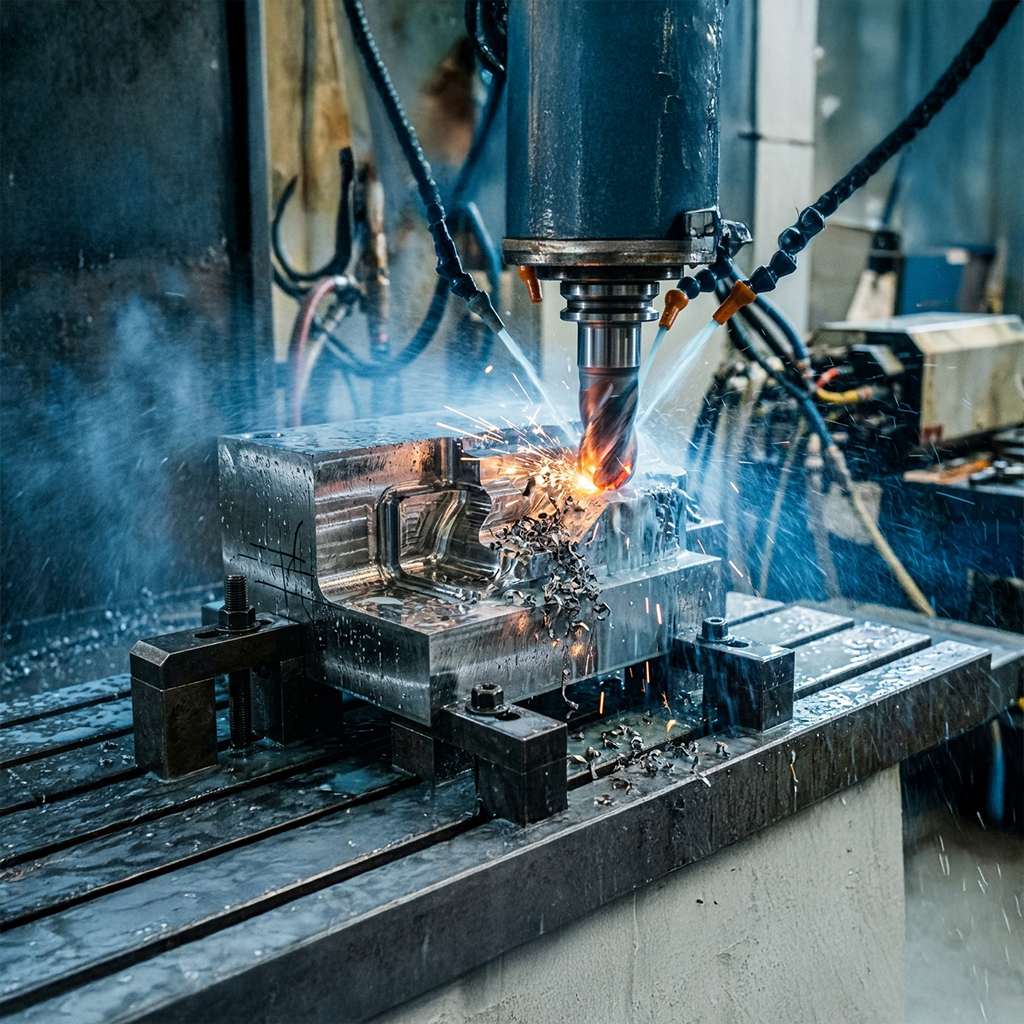
HSM Precision: Modern 5-axis high-speed CNC centers can machine hardened tool steel to near-mirror finishes. This reduces the need for manual hand-polishing—a labor-intensive process that traditionally adds weeks to the lead time.
Electrical Discharge Machining (EDM): For intricate details, the synergy between CNC-machined electrodes and high-precision EDM allows for the creation of sharp corners and deep ribs in a fraction of the time it took a decade ago. A skilled mold maker optimizes the tool path to maximize metal removal rates while maintaining the micron-level tolerances required for industrial consistency.
VI. Material Procurement and Standardized Components
A proactive mold maker anticipates the supply chain.
Pre-hardened Steels: For many industrial parts, using pre-hardened steels (like P20 or NAK80) eliminates the time-consuming heat-treatment cycle, which can save 7 to 10 days in the build schedule.
Off-the-Shelf Components: Utilizing standardized pins, bushings, and hot runner systems from global leaders ensures that if a component fails during the build or trial, a replacement is available overnight. Custom-making every pin is a relic of the past; modern mold making is about the strategic assembly of high-precision standardized modules.
VII. Scientific Molding as a Validation Tool
The final step for the mold maker in reducing lead time is the validation of the process.
Process Window Development: By establishing a “Scientific Molding” process during the first shots, the mold maker defines the exact pressures, temperatures, and times needed for a perfect part.
Seamless Hand-off: This data-rich hand-off ensures that the production team doesn’t spend weeks “tweaking” the machine to get good parts. The process is “frozen” and repeatable from the moment the tool leaves the mold maker’s hands.
VIII. The Digital Heritage of Accelerated Launch
In the industrial landscape of 2026, the mold maker is the guardian of your product’s ‘Digital Heritage.’ At Sumiparts, we treat every mold making project as a data-driven evolution. By maintaining a digital twin of the tooling and archiving every design iteration, we ensure that the speed achieved in the first launch is a repeatable asset for future generations of your product. Reducing lead time isn’t just about working faster; it’s about working smarter through the convergence of mechanical craft and digital intelligence. When you partner with an expert mold maker, you aren’t just buying a tool—you are buying a faster path to global market leadership.
IX. Advanced Metallurgy: Selecting Steels for Thermal Conductivity
The mold maker significantly impacts lead times by selecting the correct metallurgical foundation for the tool. In mass production, the “cooling phase” accounts for nearly 70% of the total cycle time.
High-Conductivity Alloys: A strategic mold maker may recommend using Beryllium-Free Copper alloys (like Mold-Max) in critical areas or inserts. These materials have a thermal conductivity significantly higher than standard tool steel, allowing the part to solidify faster.
Reducing the “Wait” Time: By reducing the cooling time by just 3 to 5 seconds per cycle through smart material selection, the mold maker not only speeds up the T1 trial phase but also increases the long-term profitability of the project. This foresight in the mold making stage ensures that the production line hits its “steady state” much sooner, effectively shortening the overall project lead time.
Learn More...
Want to learn more about our Mold Making services?
SUMIPARTS is dedicated to serving you. We strive to bring the best solutions directly to you, whenever you need them. Reach out to us via PBX at + 57 601 748 22 13, call us at +57 313 699 13 56, or email us at grupoempresarial@sumiparts.com. Our team is eager to provide the support you deserve.


 English