Injection molding: a key ally in the construction of the Bogotá Metro
Comparte esta información en:
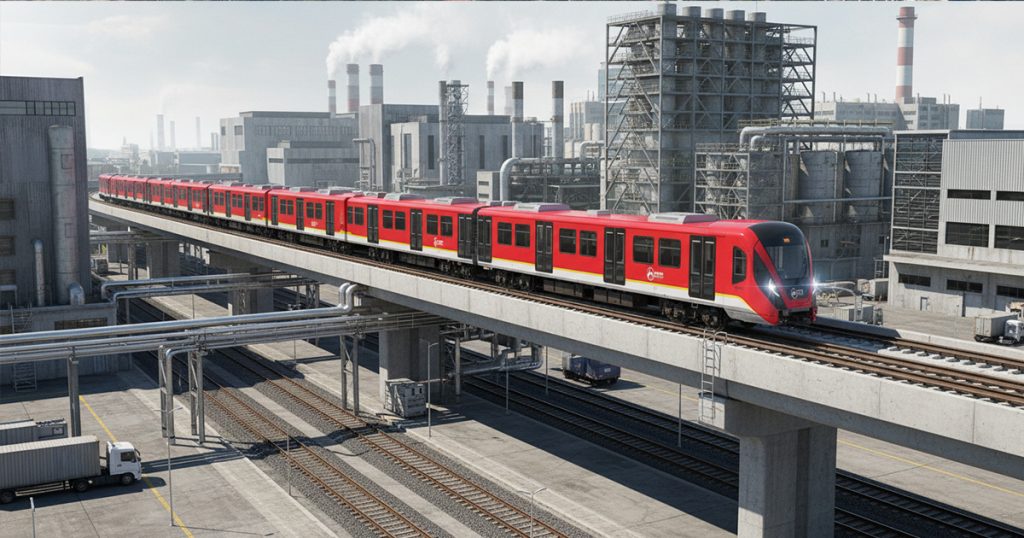
Injection molding enables the production of technical plastic components used in large-scale urban infrastructure projects such as the Bogotá Metro, ensuring durability, precision, and repeatability.
What is injection molding?
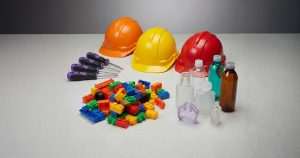
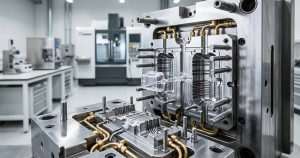
Is an industrial manufacturing process in which molten thermoplastic material is injected under pressure into a precision-engineered mold. Once the material cools and solidifies, it adopts the exact geometry of the mold cavity, producing a finished component with tight tolerances and consistent surface quality.
This process enables the production of complex geometries, integrated fastening features, and functional details that would be difficult or inefficient to achieve using traditional manufacturing methods. For infrastructure applications, injection molding ensures uniformity across thousands of identical parts.
Importance of injection molding in urban infrastructure projects
Urban transportation systems such as metro networks rely on components that must perform reliably over decades of continuous operation. Supports these requirements by enabling:
High-volume production with consistent dimensional accuracy
Lightweight components that reduce overall system load
Integrated mechanical and electrical functions
Reduced maintenance requirements due to material stability
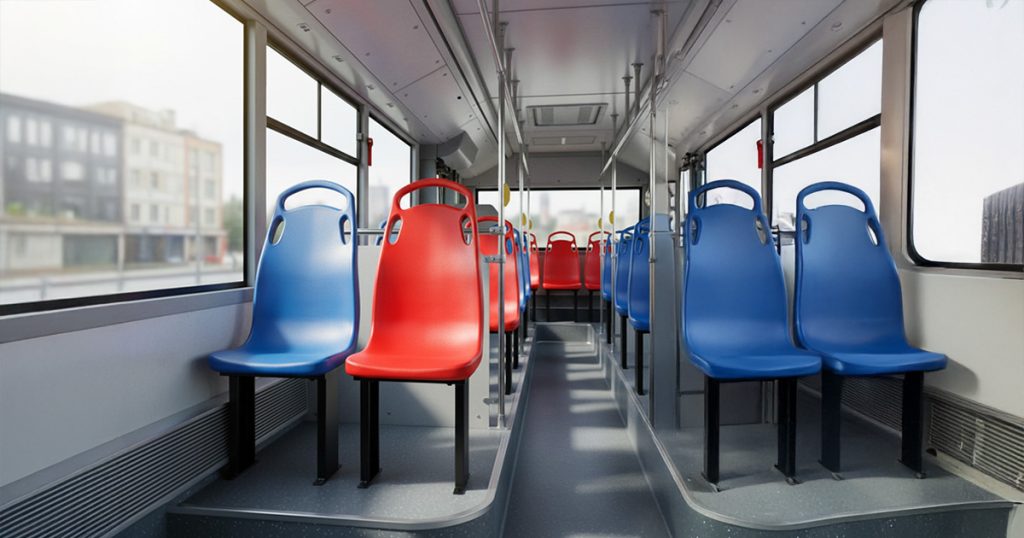
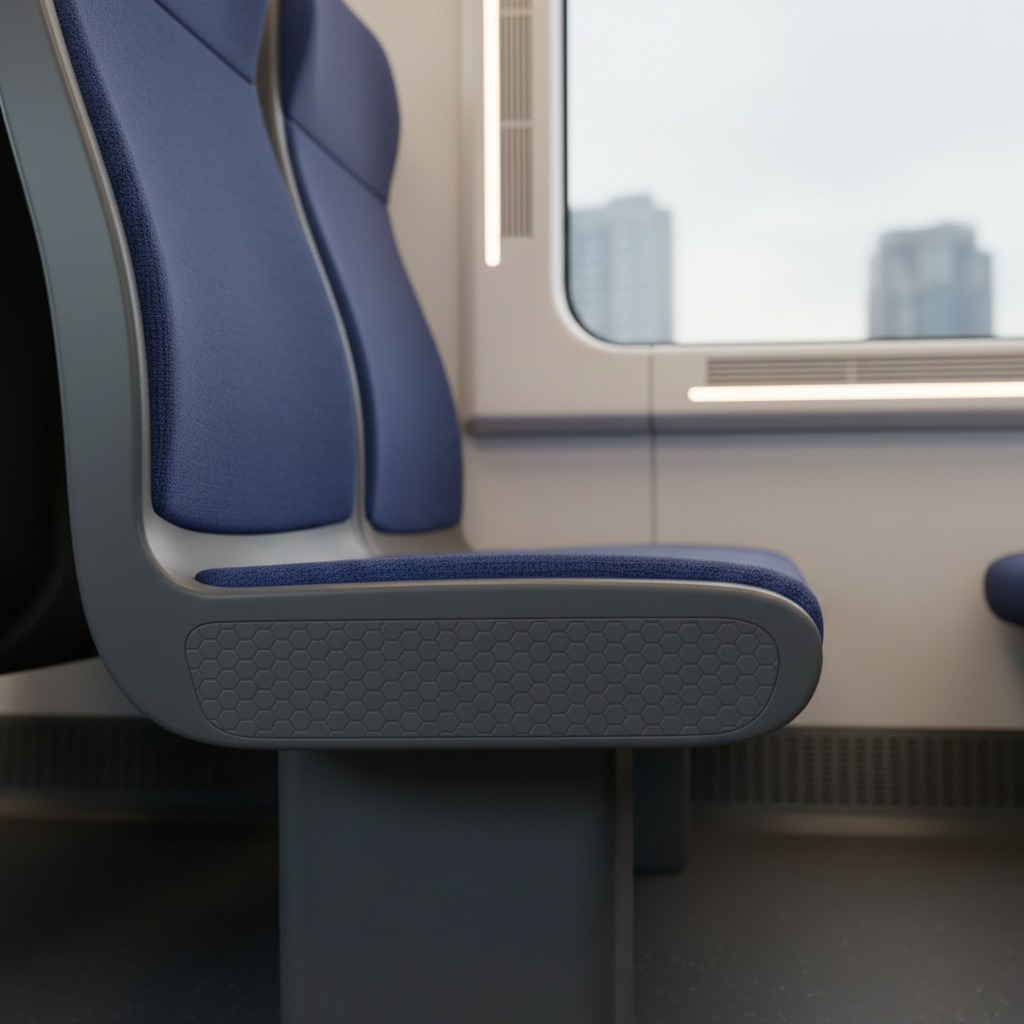
In the Bogotá Metro, this process contributes to the efficiency and reliability of multiple technical systems embedded within stations, trains, and supporting infrastructure.
Real applications within the Bogotá Metro system
Within a modern metro system, many critical components are manufactured using injection molding, even if they are not visible to end users.
Typical applications include:
Electrical enclosures and protective housings
Cable management systems and insulation components
Technical supports, spacers, and mounting elements
Signaling and control system parts
Protective covers and interface components
Each of these applications benefits from the precision and durability provided by injection molding.
injection molding
injection molding
Materials used in metro infrastructure applications
A wide range of engineering plastics can be processed through of this process depending on the application.
Common materials include:
Polypropylene (PP) for lightweight structural components
SUMIPARTS is dedicated to serving you. We strive to bring the best solutions directly to you, whenever you need them. Reach out to us via PBX at +601 748 22 13, call us at +57 313 699 13 56, or email us at info@sumiparts.us. Our team is eager to provide the support you deserve.
Sumiparts S.A.S
Déjanos un comentario
WhatsApp:
+57 313 699 13 56
Get in touch:
About Sumiparts S.A.S.
At SUMIPARTS S.A.S. We believe that your projects have to come true. We work together to provide technologies, tools and offer our best skills for the creation of our customer plans.


 English