
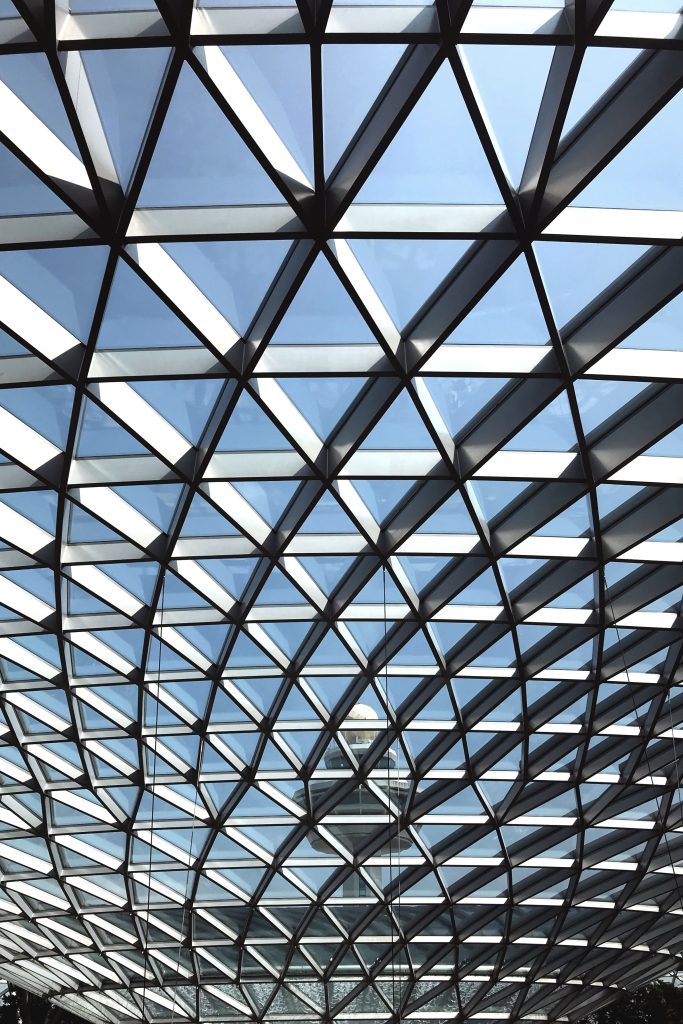
Metallic structures
They are classified very simply: into main metal structure and secondary metal structure. This classification depends on the role they play within the work in which they are going to be used. The main structure, for example, is responsible for stabilizing and transferring loads to the ground.
What conditions must a metalLIC structureS meet?
Rigidity: The structure should not deform when forces are applied to it. Resistance: Each of the elements that make up the structure must be able to withstand the force without deforming or breaking. Stability: that the structure is stable.
Material Matrix: Sourcing Premium Certified Metallic Structures
Our structural engineering division enforces strict material traceability, sourcing and processing high-yield Metallic Structures grades that precisely match North American engineering standards:
ASTM A36: The standard carbon structural steel for welded, bolted, or riveted construction of bridges, buildings, and general industrial machinery frameworks. It exhibits excellent weldability and a reliable 250 MPa (36 ksi) minimum yield strength.
ASTM A572 (Grade 50): A high-strength, low-alloy (HSLA) columbium-vanadium steel optimized for structural applications where weight reduction is vital. Delivering a 345 MP a (50 ksi) yield ceiling, it is heavily utilized in heavy equipment chassis and high-load building frames.
ASTM A992: The absolute premier standard for wide-flange (I-beams) and H-beam structural shapes. Engineered with controlled carbon equivalents, it offers superior fracture toughness and excellent yield-to-tensile ratios for seismic and high-dynamic load zones.
ASTM A500 (Grade B/C): Premium carbon steel cold-formed welded structural tubing (HSS – Hollow Structural Sections). Processed in square, rectangular, and round profiles, it provides exceptional torsional resistance for industrial columns, space frames, and overhead crane supports.
Advanced Turnkey Structural Processing Capabilities | Metallic Structures
The heavy fabrication division at Sumiparts utilizes synchronized mechanical and thermal operations to convert raw mill profiles into finished structural frameworks:
High-Capacity CNC Beam Drilling & Plasma Coping
We eliminate manual layout errors by running multi-axis automated beam lines. These systems execute precision drilling, tapping, milling, and intricate multi-sided 3D plasma coping on massive wide-flange profiles, cutting precise bolt-hole arrays and weld bevels in a single continuous pass.
Heavy Plate Layout and High-Tonnage Braking
Our facilities operate large-format fiber laser and high-definition CNC oxy-fuel cutting beds to blank out heavy structural gusset plates, base plates, and connection brackets up to 100 mm thick, combined with high-tonnage press brakes to form rigid structural sections.
Rigorous Code Compliance & Non-Destructive Testing (NDT)
For multi-story frameworks, high-capacity industrial platforms, and public infrastructure, structural joint integrity is an absolute safety constraint. A single defective weld or unverified connection plate can trigger catastrophic structural failure under extreme environmental or mechanical loads.
Our quality assurance department enforces strict compliance with AWS D1.1 (Structural Welding Code – Steel) and ASME Section IX parameters. Every fabrication lot undergoes strict, multi-tiered verification administered by certified welding inspectors (CWI):
Magnetic Particle Testing (MT): Utilizing high-contrast magnetic flux indicators to reveal microscopic surface-breaking cracks along high-stress weld toes.
Ultrasonic Volumetric Testing (UT): Shooting high-frequency digital sound waves straight through the core of full-penetration groove welds to verify that the joint interior is completely dense and entirely free of sub-surface porosity, slag inclusions, or lack-of-fusion defects.
Build Your Industrial Horizon with Sumiparts | Metallic Structures
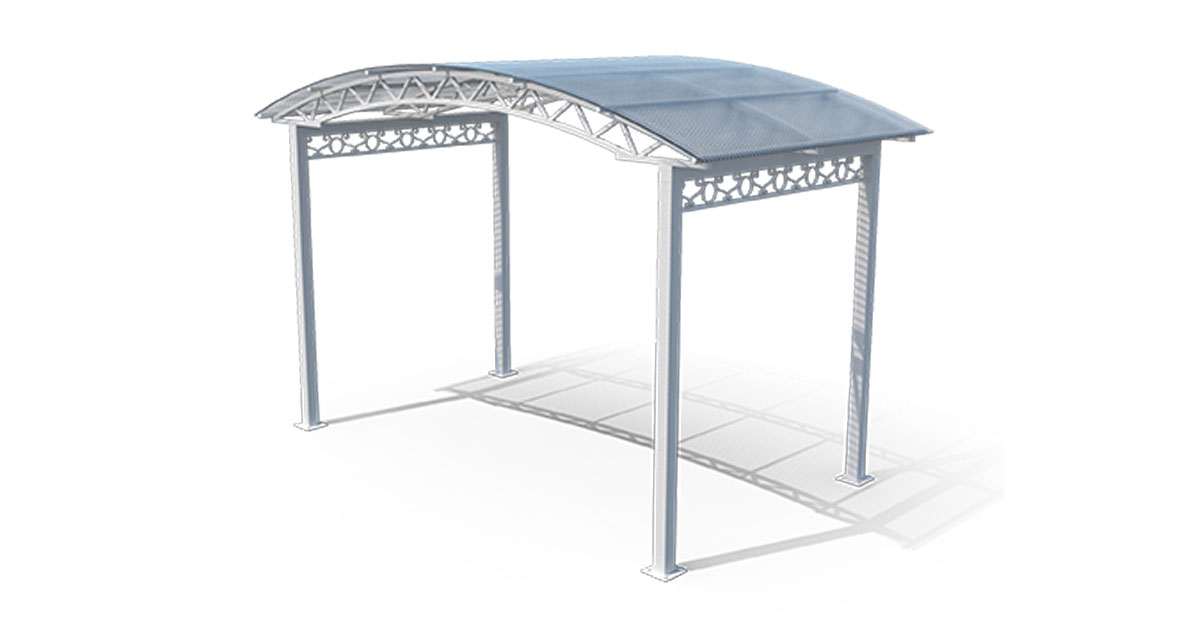
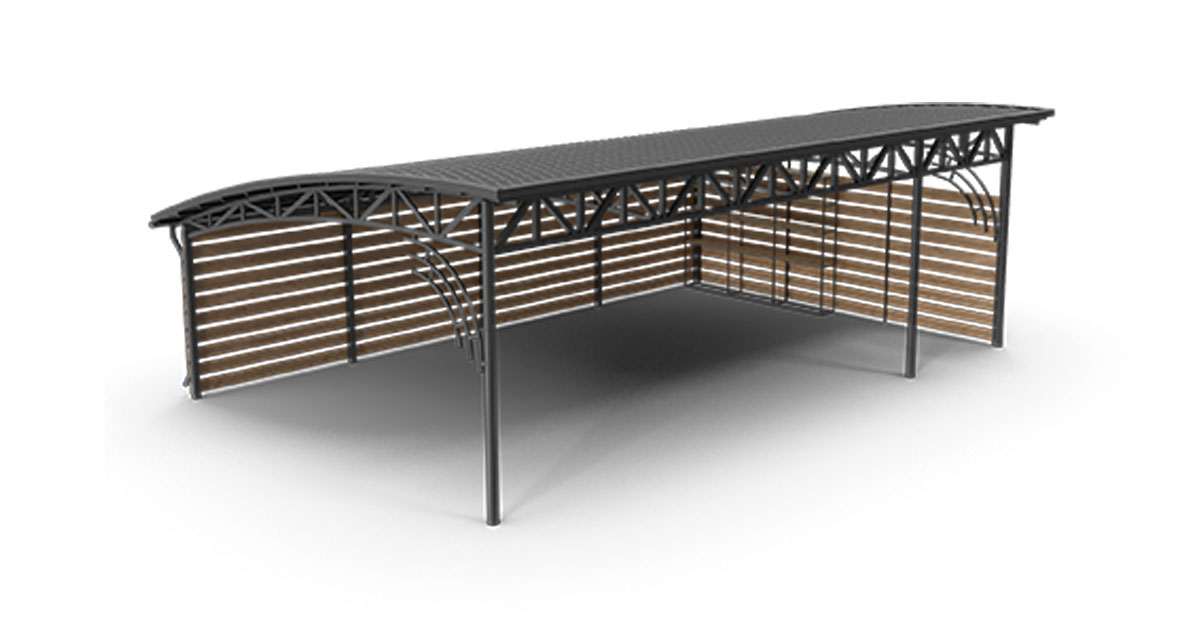
Securing your heavy infrastructure and commercial structural lifecycles demands a contract manufacturing partner that treats physical metallurgy, weld dynamics, and code-compliant quality tracking with absolute institutional discipline. Partnering with Sumiparts grants your engineering, project management, and procurement desks access to high-capacity structural processing, certified AWS/ASME compliance, and complete material traceability optimized for the North American market. Eliminate construction delays and joint failures. Contact our international contract engineering office today to upload your structural blueprints or STEP models and secure an expert technical review.
Mitigating Lamellar Tearing in Thick-Weld T-Joints and Corner Connections | Metallic Structures
For Metallic Structures engineers and construction quality auditors evaluating metallic structures, a critical sub-surface mechanical failure mode to mitigate is lamellar tearing. This structural defect occurs primarily in heavy-gauge welded joints (> 40 mm}$ thickness) subjected to high perpendicular, through-thickness tensile stresses—frequently found in highly restrained T-joints, corner connections, and heavy cruciform columns. When a multi-pass, high-deposition weld bead cools and shrinks, it exerts massive shrinkage forces perpendicular to the rolling plane of the steel base plate. If the steel possesses high concentrations of microscopic, elongated non-metallic inclusions (primarily manganese sulfides) rolled flat during mill production, these inclusions will delaminate under the intense weld pull, forming a step-like cracking network within the steel matrix beneath the fusion zone.
The structural engineering department at Sumiparts completely eliminates lamellar tearing vulnerabilities through advanced joint design modification and rigorous material specification control. We proactively specify steel plates processed with Z-grade testing (ASTM A770), which guarantees high through-thickness ductility and ultra-low sulfur inclusion metrics. Furthermore, our engineering desk re-designs critical structural connections to shift the primary weld shrinkage vectors. By utilizing deep double-bevel joint configurations instead of single-bevel profiles, or by physically chamfering the edge of the through-thickness plate to embed the weld profile deeper into the parent metal, we reduce localized stress concentrations. Combined with pre-heating protocols and low-hydrogen electrodes (E7018), we ensure a molecularly unified connection that entirely avoids structural delamination under maximum operational design limits.
Neutralizing Thermal Warping and Longitudinal Distortion via Symmetrical Balanced Welding Sequences | Metallic Structures
The intense localized heat inputs required to execute deep-penetration welds on heavy structural steel beams naturally induce significant thermal gradients. As the liquid weld pool transitions back into a solid crystalline state, it undergoes severe volumetric contraction. If a long, continuous fillet weld is applied exclusively to one side of a wide-flange beam or built-up plate girder, the cumulative longitudinal shrinkage forces will pull that side of the beam inward. This asymmetric mechanical stress causes the entire structural profile to bow, twist, or warp along its length, violating the straightness parameters enforced by AISC (American Institute of Steel Construction) and ASTM A6 standards.
To preserve absolute geometric straightness across high-volume structural runs, the fabrication cells at Sumiparts enforce strict symmetrical balanced welding sequences paired with mechanical presetting. Our operators utilize multi-station dual-wire welding heads that apply beads to opposite sides of the structural axis concurrently, ensuring the thermal contraction forces on the left completely neutralize the contraction forces on the right.
For asymmetrical single-sided connections, we implement a reverse back-step welding method, laying short, independent beads in a direction opposite to the overall progression of the joint. By dividing the thermal mass across staggered intervals, we keep the cumulative stress profiles balanced below the material’s elastic deformation limit, delivering structural members that hold exact plumb and true-linear alignment down to fractions of a millimeter.
 English