
Industrial Safety: Mitigating Operational Risks Through Technical Materials
The arrival of the rainy season represents one of the greatest challenges for industrial safety. Increased humidity, leaks, and wet surfaces exponentially raise the risk of incidents such as slips and falls, short circuits, and accelerated corrosion of assets. At Sumiparts, we address prevention not only through protocols but by providing engineering materials designed to maintain operational continuity under adverse weather conditions.
Optimizing the plant with the right materials is the most effective investment to reduce accident rates and protect the integrity of human talent.
Critical Risks and Material Solutions
Technically, indoor and outdoor safety during rains is divided into three fronts of action:
1. Prevention of Slips and Falls (Traction)
Water drastically reduces the friction coefficient of smooth concrete or conventional epoxy floors.
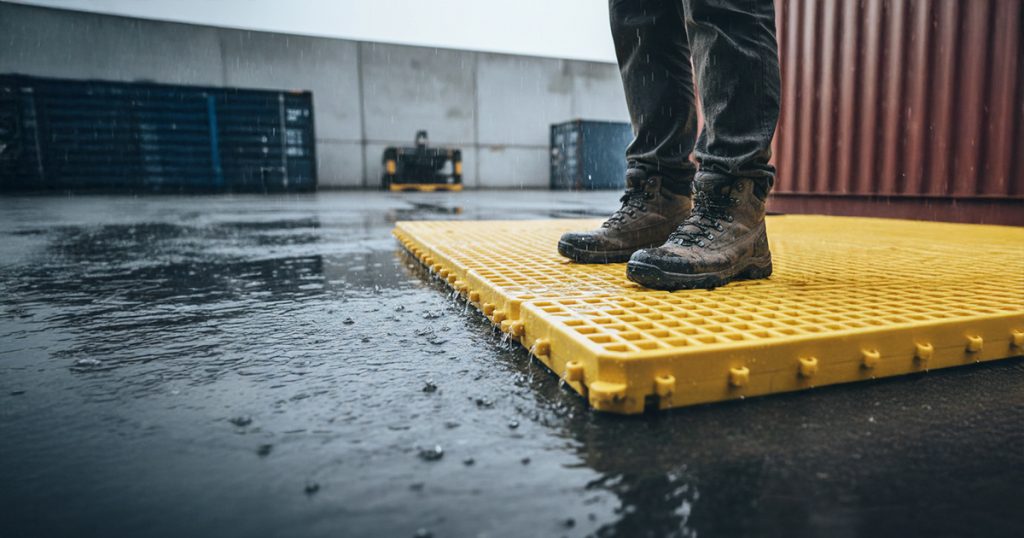
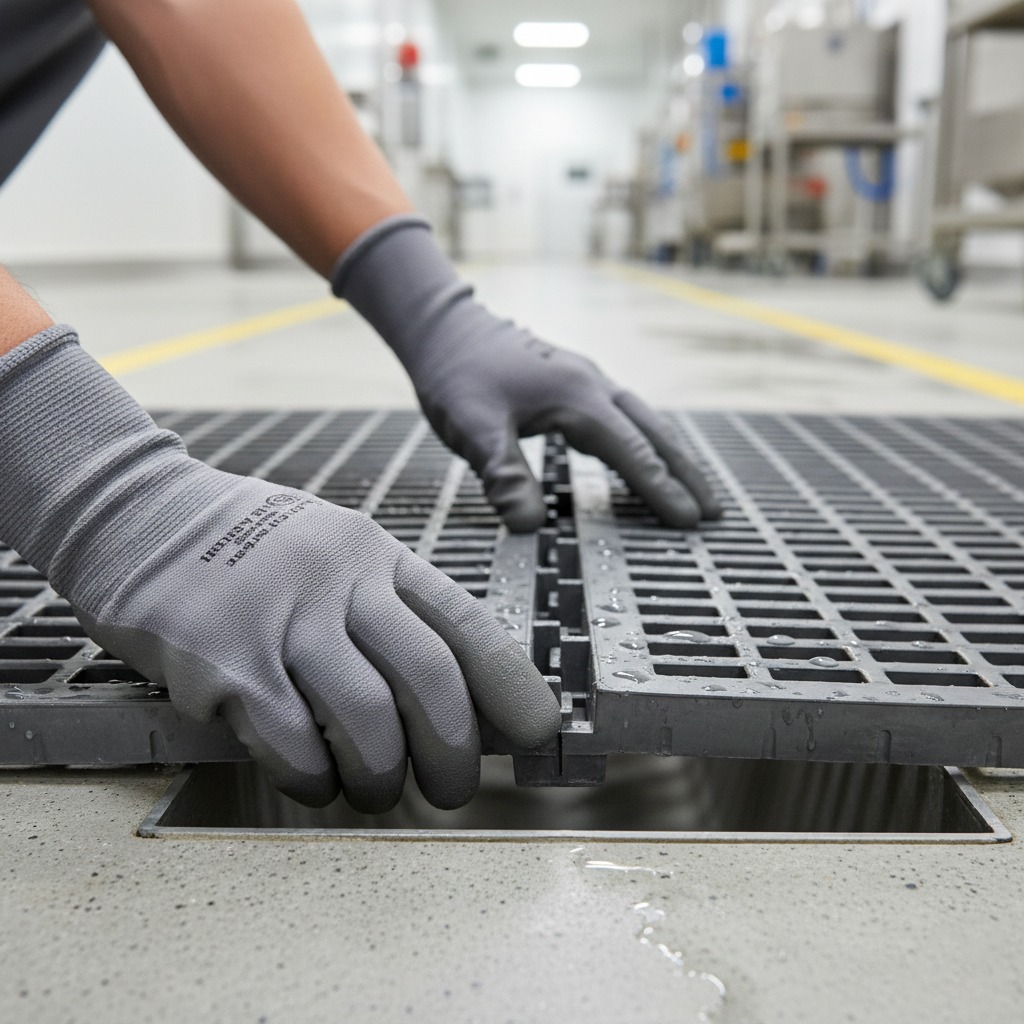
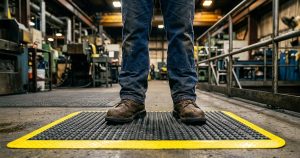
The Solution: Implementation of modular plastic flooring with drainage patterns. These materials, made of PVC or Polypropylene, allow water to flow beneath the contact surface, keeping the stepping area dry and providing constant mechanical traction.
Technical Data: Materials with anti-slip resistance certification (R10 to R12) are essential for ramps and exposed loading zones.
2. Protection of Electrical Systems (Sealing)
Ambient humidity and leaks can compromise control panels and motors, causing electrical arcs or critical failures.
The Solution: Use of gaskets and seals made of rubber and vulcanized materials (especially EPDM or Silicone). These elastomers offer excellent resistance to ozone and water, ensuring that enclosures maintain their Ingress Protection (IP) or NEMA rating.
Key Components: High-resistance plastic cable glands that prevent water entry through wiring inlets.
3. Corrosion Control and Watertightness
Rainwater, often acidic in industrial environments, accelerates the oxidation of structures and tanks.
The Solution: Use of components made of passivated stainless steel. The passivation process regenerates the chromium oxide layer, ensuring that bolts, brackets, and pipes do not prematurely degrade due to constant moisture exposure.
Technical Properties of Safety Materials
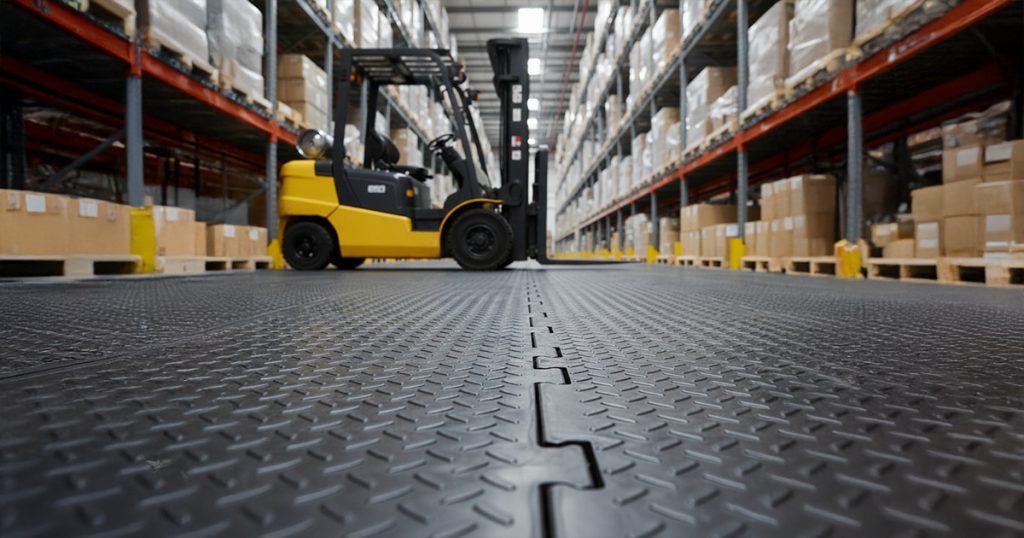
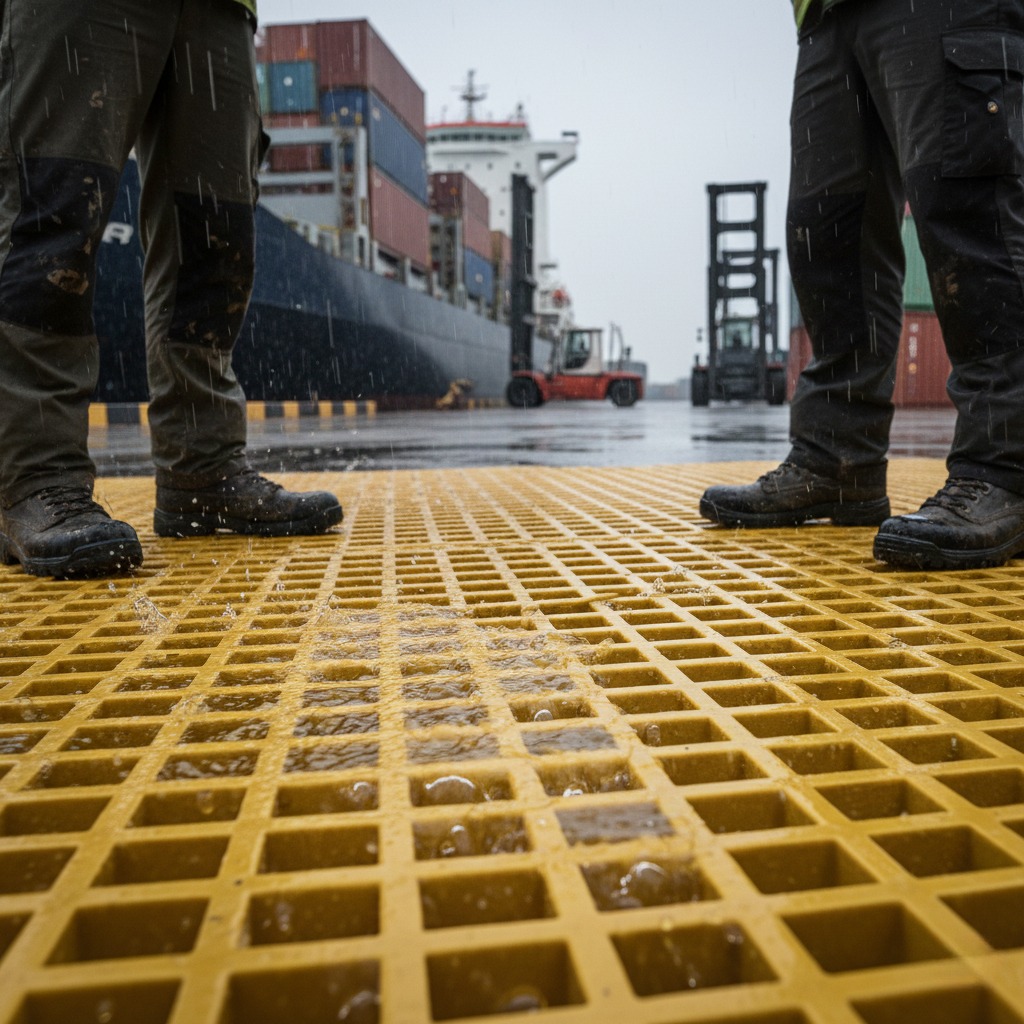
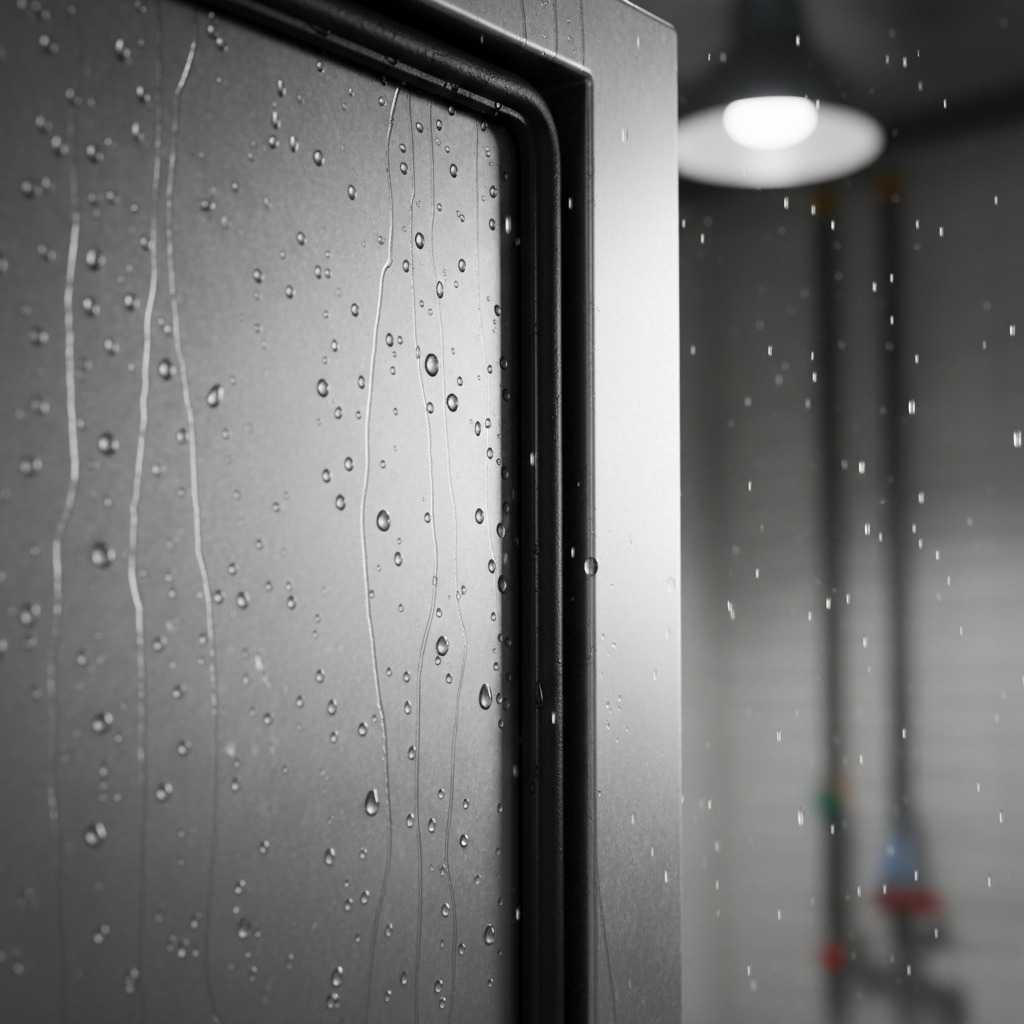
To guarantee effectiveness during rainy seasons, materials must meet the following specifications:
Hydrophobicity: The ability to repel water, facilitating the fast drying of work areas.
Mildew and Fungus Resistance: Technical polymers used in seals and floors must be non-porous to prevent the proliferation of biological agents in humid zones.
Thermal Stability: Elastomers must maintain their flexibility even during sudden temperature changes (thermal shock) caused by storms.
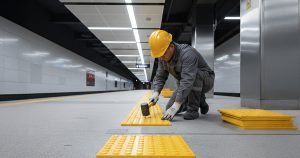
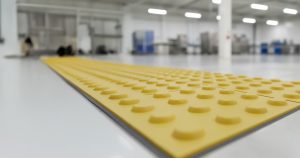
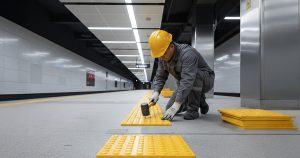
Visibility (Colorimetry): Use of polymers with high-visibility pigmentation (safety yellow, orange) integrated during injection to mark hazard zones that may be obscured by rain.
Preventive Maintenance Protocols with Sumiparts Materials
A robust industrial safety program for rain should include the inspection of:
Supports and Anchors: Verify that the bending of drainage pipes has no obstructions and that metal clamps show no signs of galvanic corrosion.
Expansion Joints: Replace worn rubber seals that could allow leaks into the plant’s structural base.
Insulation: Check cable protectors manufactured via plastic extrusion, ensuring there are no cracks where moisture could enter.
Learn More...
Want to learn more about our plastic flooring, plastic flooring, rubber seals, and everything related to industrial safety services?
SUMIPARTS is dedicated to serving you. We strive to bring the best solutions directly to you, whenever you need them. Reach out to us via PBX at +601 748 22 13, call us at +57 313 699 13 56, or email us at info@sumiparts.us. Our team is eager to provide the support you deserve.

 English
  Español de Colombia