
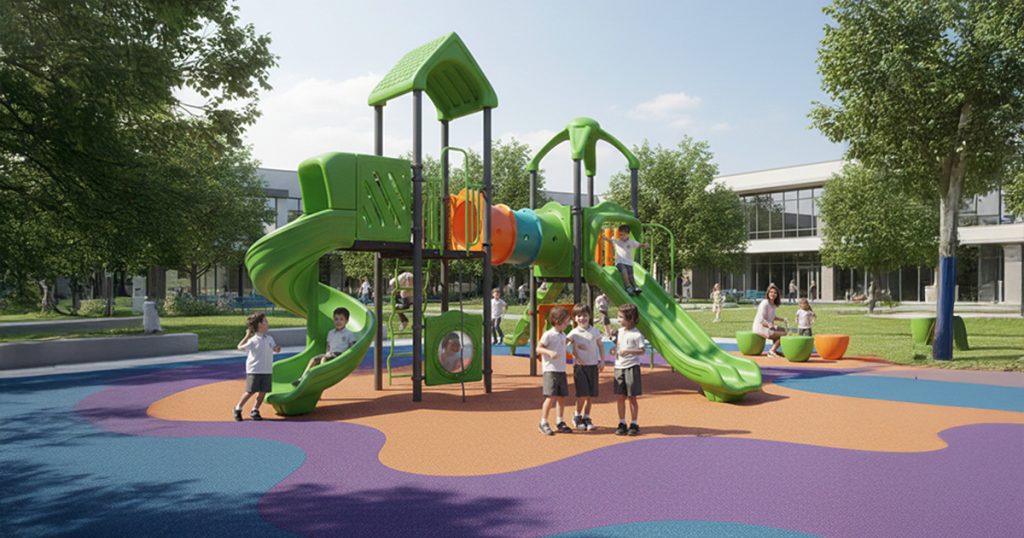
Precision Injection Molding: Shaping the Future of Educational Environments
In the design of modern educational spaces, every piece of furniture and equipment must meet a rigorous standard of durability, safety, and ergonomics. From elementary schools to university research labs, educational environments are high-traffic areas where materials are subjected to constant use and physical stress. Plastic injection molding has become the preferred manufacturing method for this sector, offering the ability to create robust, lightweight, and cost-effective components that enhance the learning experience. At Sumiparts, we specialize in producing high-quality plastic parts that define the next generation of institutional furniture.
What is injection molding?
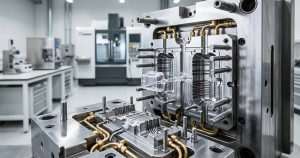
Is an industrial manufacturing process in which thermoplastic materials are heated to a molten state and injected into precision-engineered molds. Once cooled, the material solidifies into a component with defined geometry and surface characteristics.
This process allows for the production of complex, repeatable parts with integrated features such as rounded edges, reinforced zones, and fastening elements. These characteristics make injection molding particularly suitable for applications where safety and durability are essential.
Why Injection Molding is Essential for Education
The transition from traditional wood and metal to high-performance polymers in classrooms is driven by the unique advantages of injection molding technology:
Safety and Smooth Finishes: Unlike other materials, injected plastics allow for rounded edges and seamless surfaces. This eliminates the risk of snags or injuries, which is paramount in environments with children and young adults.
Unmatched Durability: Educational furniture must withstand heavy impact, weight, and frequent cleaning. We use engineering-grade polymers that resist cracking, staining, and fading, ensuring a long life cycle for every product.
Ergonomic Complexity: Learning requires focus, and comfort is key to concentration. Our molding process allows for the creation of complex anatomical curves in chair shells and desk surfaces that support proper posture for students of all ages.
The role of injection molding in educational infrastructure
Educational infrastructure must balance functionality, safety, and cost efficiency. This manufacturing solution supports this balance by enabling large-scale production of standardized components.
Its role includes:
Manufacturing components with smooth, safe geometries
Producing parts resistant to impact and wear
Ensuring dimensional consistency across installations
Reducing maintenance through durable materials
By relying on injection molding, educational facilities can implement solutions designed for long-term performance.
Applications in educational environments
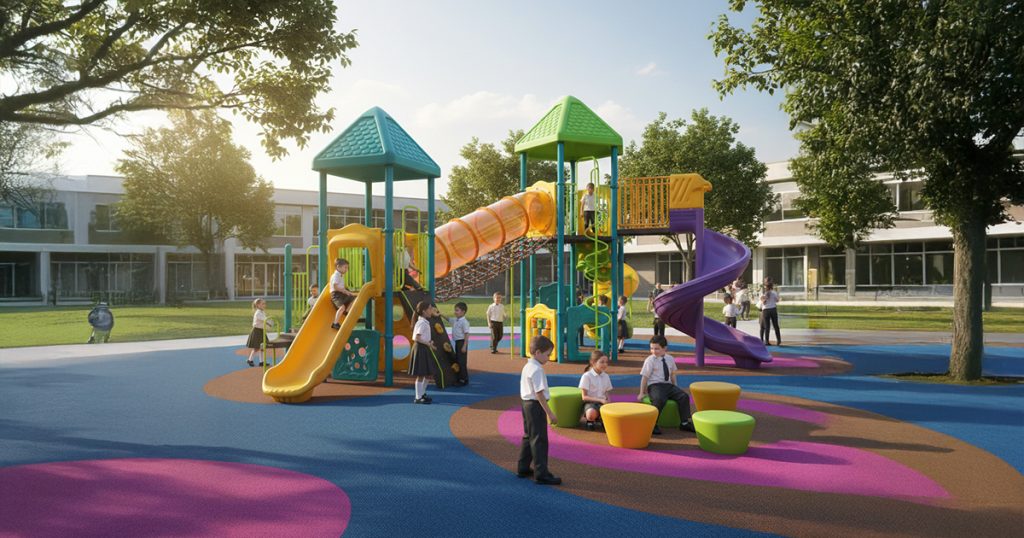
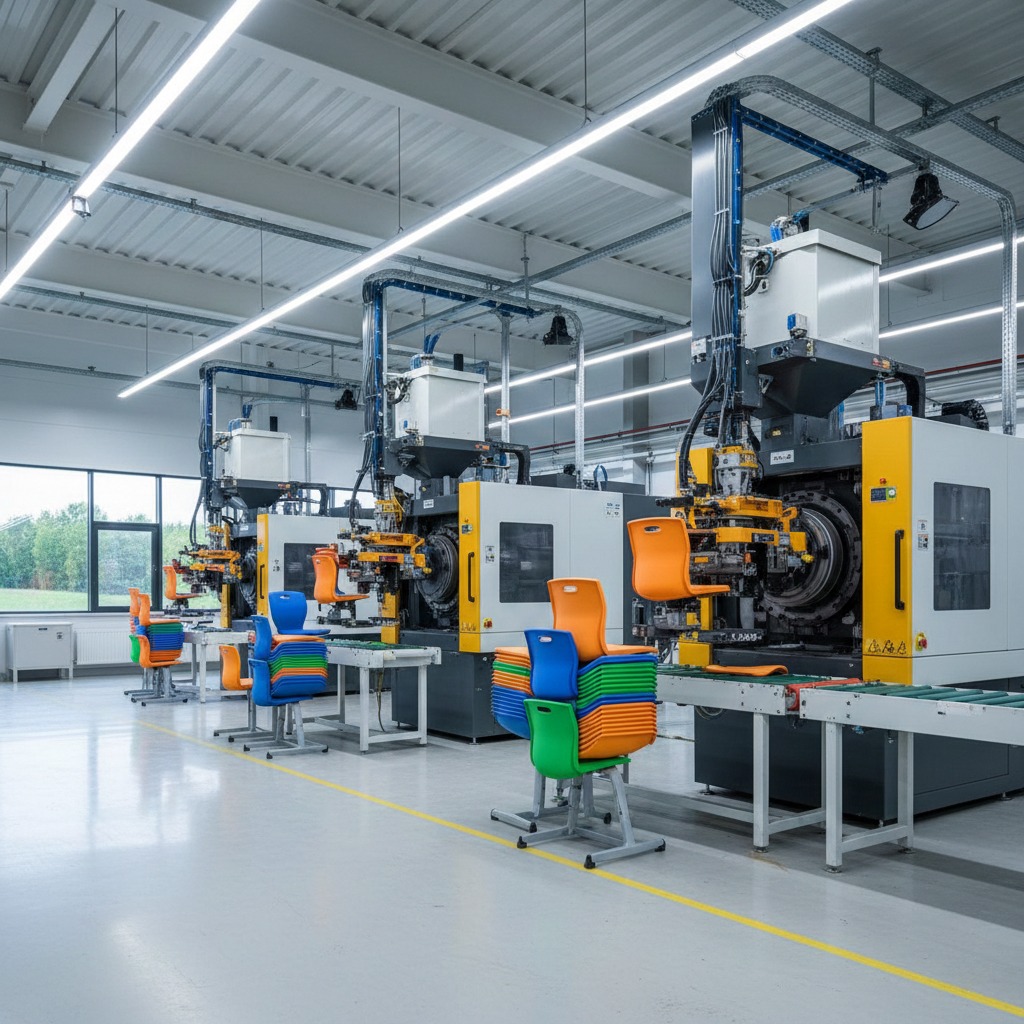
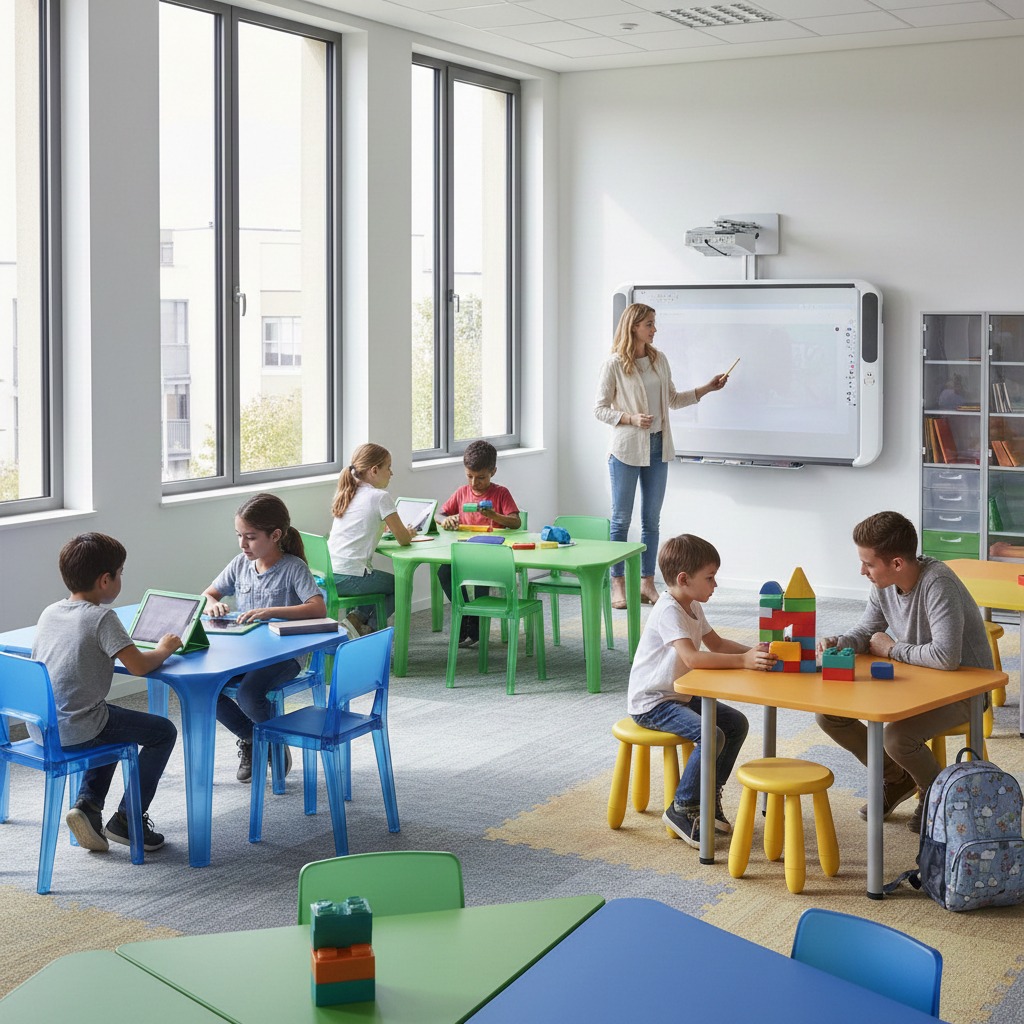
Educational environments require materials that support regular cleaning and maintenance. This manufacturing method allows for smooth surface finishes that reduce dirt accumulation and facilitate sanitation.
Common applications include:
Classroom furniture components
Laboratory equipment housings
Electrical enclosures and cable management systems
Protective covers and safety accessories
Storage and organizational systems
Each application benefits from the precision and repeatability of injection molding, ensuring consistent quality across multiple facilities.
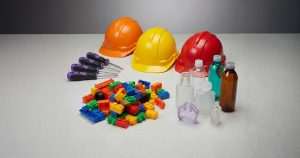
Materials used for educational applications
A variety of thermoplastics can be processed through this forming technique, depending on the specific application and performance requirements.
Common materials include:
Polypropylene (PP) for furniture and accessories
ABS for protective housings and enclosures
Polyethylene (PE) for flexible and impact-resistant components
Polycarbonate (PC) for transparent and high-strength parts
Engineering plastics for demanding applications
Material choice directly affects the durability and safety of injection molding components.
Hygiene, maintenance, and long-term durability
Educational environments require materials that support regular cleaning and maintenance. This manufacturing method allows for smooth surface finishes that reduce dirt accumulation and facilitate sanitation.
Additionally, injection molded components:
Resist moisture and cleaning chemicals
Maintain structural integrity over time
Reduce the need for frequent replacement
These characteristics contribute to the long-term durability of educational infrastructure.
Engineering for High-Traffic Institutional Use
At Sumiparts, we don’t just manufacture parts; we engineer solutions tailored to the classroom. Our process involves:
Advanced Polymer Selection
We work with materials like High-Impact Polypropylene (PP) and Fiber-Reinforced Polyamides. These resins are chosen for their high strength-to-weight ratio and their ability to maintain structural integrity under the dynamic loads typical of a classroom setting.
Precision Mold Design
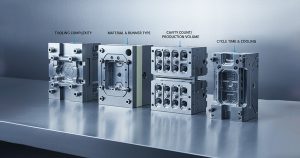
Our engineering team utilizes CAD/CAM technology to design molds that ensure uniform wall thickness. This prevents warping and internal stresses, which is critical for large components like chair backs or laboratory work surfaces. We ensure that every piece meets the tight tolerances required for perfect assembly with metal frames or other modular components.
Sustainability and Aesthetic Versatility
Modern schools are increasingly focused on both aesthetics and environmental responsibility. Injection molding supports these goals through:
Vibrant and Consistent Color: We can incorporate pigments directly into the resin, ensuring that colors remain bright and don’t chip or peel over time, even with heavy use.
Recyclability: Most of the polymers we use are 100% recyclable, supporting the “green building” initiatives and LEED certifications that many modern educational institutions strive for.
Mass Customization: Our high-speed production lines allow us to fulfill large-scale institutional orders with absolute consistency, ensuring that every classroom looks uniform and professional.
Why Specialized Injection Molding is Vital for Education?
Educational furniture and tools face a level of wear and tear that few other industries encounter. From constant friction in active seating to the chemical exposure in science labs, components must be “over-engineered” to ensure longevity. At SUMIPARTS US, our injection molding services are tailored to meet these demands. We don’t just create plastic parts; we engineer structural solutions that resist cracking under stress, preventing potential injuries and reducing the total cost of ownership for school districts and universities across North America.
Material Safety: Non-Toxic and Antimicrobial Solutions
Safety is the non-negotiable pillar of the education sector. Our injection molding process utilizes strictly certified resins that comply with ASTM and CPSC standards.
BPA and Phthalate Free: We ensure that all components are safe for skin contact and daily use by children.
Antimicrobial Additives: In high-traffic environments like cafeterias and computer labs, we can integrate antimicrobial agents directly into the polymer matrix, providing a permanent layer of protection against bacteria and mold.
Flame Retardancy: We utilize UL-rated flame-retardant materials for electronic housings and laboratory equipment, ensuring compliance with strict fire safety codes in US schools.
Learn More...
Want to learn more about our Injection Molding services?
SUMIPARTS is dedicated to serving you. We strive to bring the best solutions directly to you, whenever you need them. Reach out to us via PBX at + 57 601 748 22 13, call us at +57 313 699 13 56, or email us at grupoempresarial@sumiparts.com. Our team is eager to provide the support you deserve.

 English